Which Highlands Neighborhood Fits Your Second-Home Style?

Thinking about a Highlands getaway but not sure which neighborhood fits your second-home style? You are not alone. Many out-of-area buyers weigh walkability, sweeping mountain views, privacy, and club amenities before they choose. This guide breaks down the four most common buyer styles in Highlands and uses Big Bear Pen Mountain as a real-world example of the tradeoffs that come with ridge living. By the end, you will have a simple checklist to compare neighborhoods and a clear set of questions to bring to your next showing. Let’s dive in.

Four second-home styles in Highlands

Walk-to-town lifestyle

If you want to park the car and stroll to coffee, galleries, and dinner, a walk-to-town location can be a great fit. These areas typically have smaller lots or clusters of cottages with sidewalks or short roads that connect to shops and restaurants. Convenience is the main draw, especially for short stays and visiting friends.

Pros include easy access to dining and events, strong rental appeal for visitors, and less driving. Cons include smaller lots and privacy, limited parking, and higher per-square-foot pricing on the most desirable blocks. Noise and traffic can also increase during peak season. Best for buyers who value low-maintenance living and frequent quick trips.

Big views and ridgelines

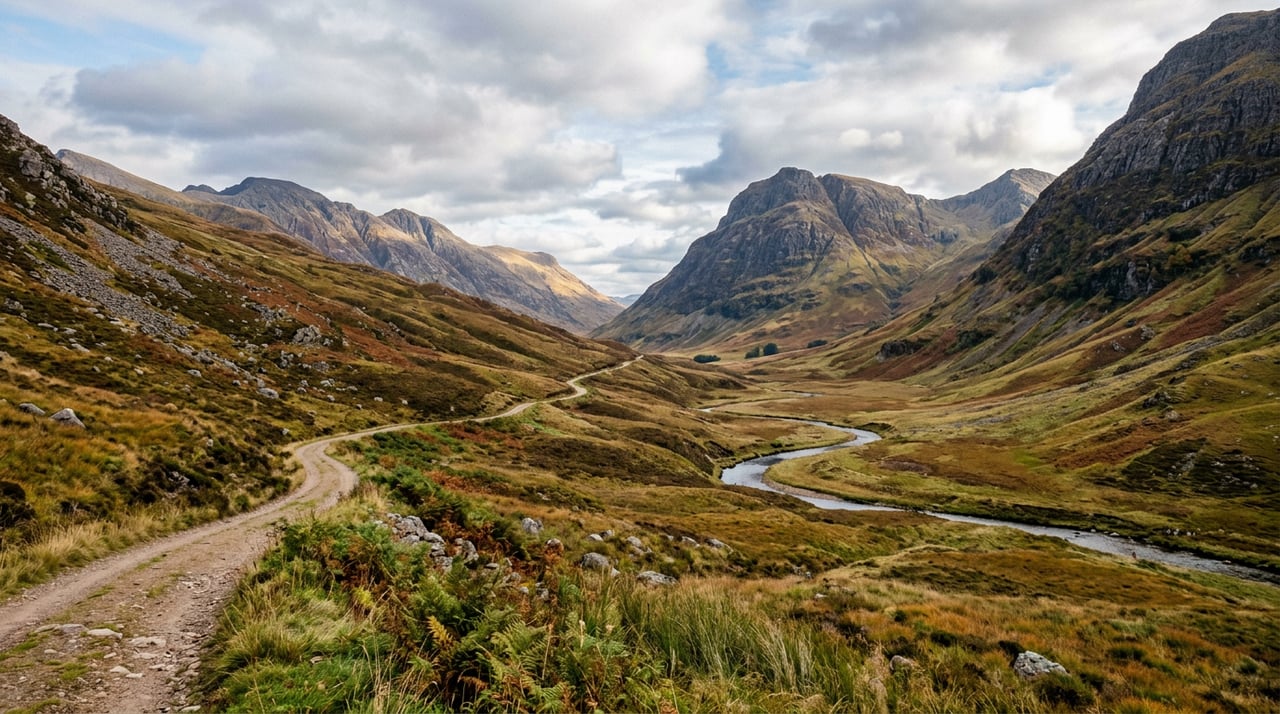
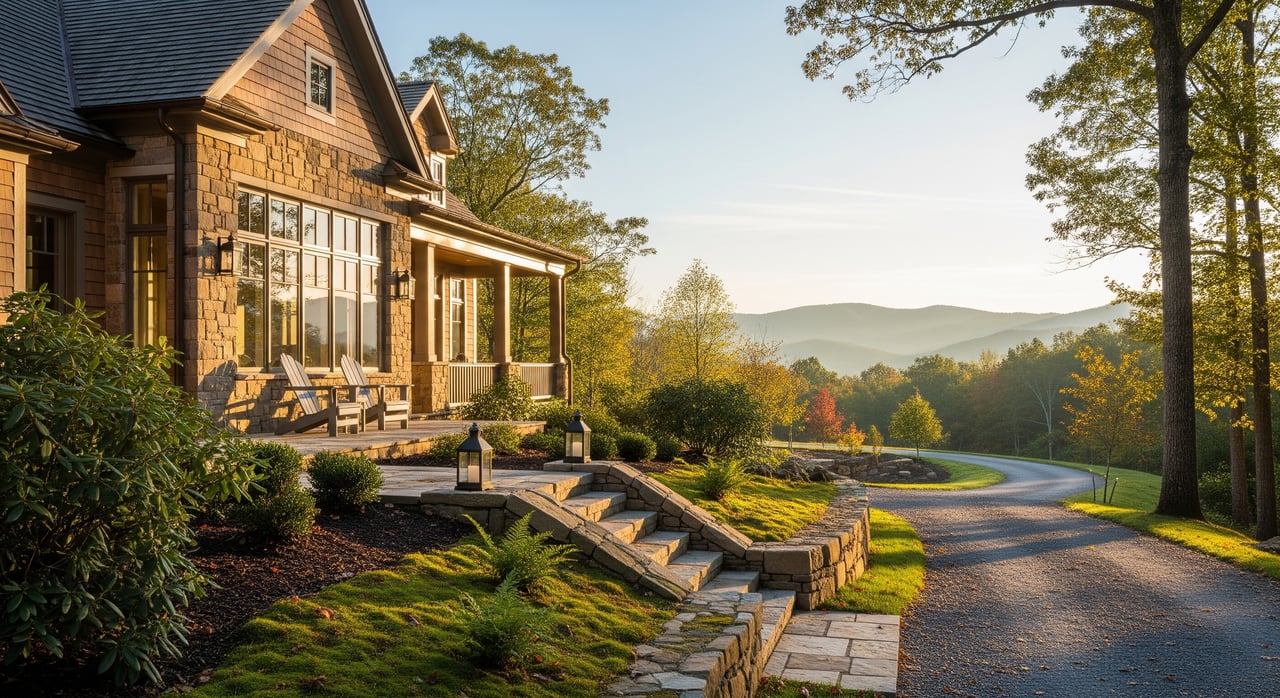
If your dream is sunrise coffee over a sea of blue ridges, consider ridge or high-slope properties. These homes deliver dramatic, long-range vistas and a sense of quiet that is hard to match. Many buyers find the emotional payoff and resale appeal of protected views compelling.

Pros include premium, long-range views and natural privacy. Cons can include steeper lots, higher build and maintenance costs, engineered driveways, and more complex septic or well siting. You may also face wind exposure and the risk of future view obstructions unless covenants protect sightlines. Best for buyers who prioritize scenery and solitude for extended stays and entertaining.

Privacy and acreage

If you want space to breathe, a guest cottage site, or room for hobbies, look for larger parcels set back from roads. These properties often have mature forest buffers and may be on private or gated roads.

Pros include privacy and flexibility for outdoor living. Cons include more maintenance, potentially higher property taxes, variable cell and broadband service, and longer responsibility for snow or road care. Emergency response times can be longer in remote spots. Best for buyers who want an escape and are comfortable managing a rural property from a distance.

Club access and amenities

If your perfect day includes golf in the morning and a spa or dinner service in the evening, club-oriented communities may fit your style. Homes here sit within or near membership clubs that offer curated amenities and social opportunities.

Pros include on-site services, social programming, and potential rental or resale cachet. Cons include initiation and ongoing membership fees, community rules, and possible short-term rental restrictions. Best for buyers who want a resort-like, turnkey experience with managed services.

Big Bear Pen Mountain: Is it your fit?

Locally known as Big Bear Pen Mountain, sometimes shown as Big Bearpen, this ridge and hillside area exemplifies the big-view lifestyle. Boundaries and naming can vary between community usage, MLS entries, and tax parcels, so plan to verify the official subdivision name when you review listings.

What to expect

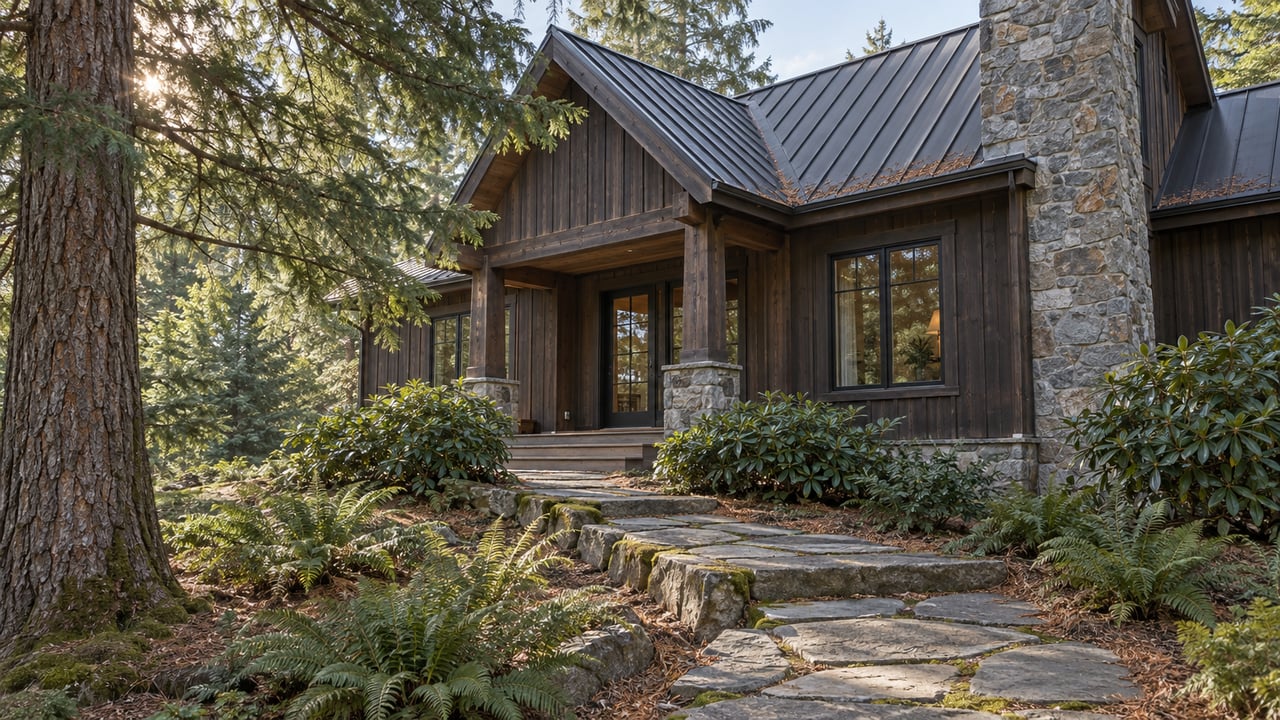
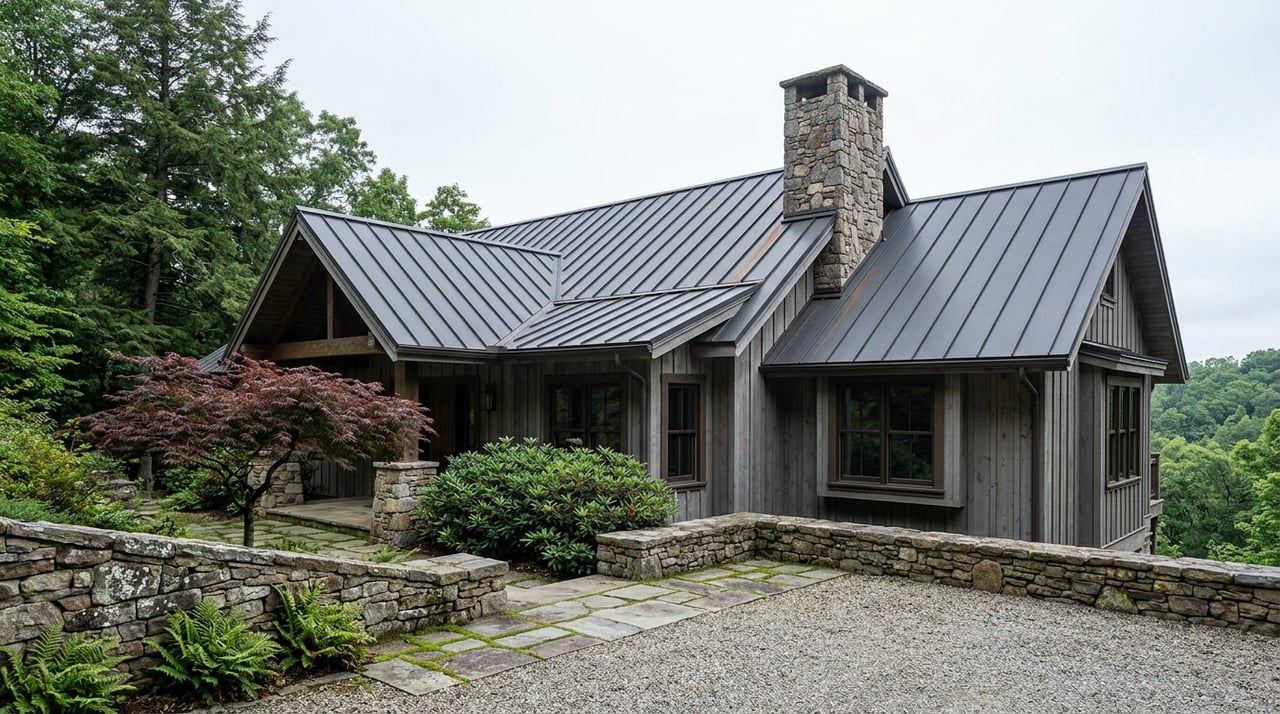
Lots often sit on steep grades with panoramic or partial mountain views. Expect winding roads and driveways, plus a quiet, wooded feel between homes. This is generally not a walk-to-town location, so you will drive for groceries, dining, and events. Many properties use well and septic, and some roads may be private or gated with shared maintenance responsibilities.

Key tradeoffs to weigh

  • Views and privacy come at a premium, and site work can add to the cost of building or improving a home.
  • Engineering for retaining walls, erosion control, and stormwater management may be required on steeper lots.
  • Winter conditions can make snow removal and road upkeep more significant than in-town neighborhoods.
  • Steep or remote access points can affect emergency response times. Verify access for emergency vehicles and distance to services.
  • For rentals, big views photograph beautifully and can help demand, but limited walkability may reduce short-stay bookings.

Best-fit buyer profile

Big Bear Pen tends to suit owners who plan multi-day or longer visits, value quiet and scenery, and are prepared for mountain maintenance realities. If you want to host family and friends and you do not mind driving to dinner, this ridge setting can be a match.

Questions to ask on a Big Bear Pen listing

  • Utilities and systems. Is the home on municipal water and sewer, or well and septic? Request septic permits, system age, and well test results for yield and quality.
  • Roads and access. Are roads public or private? Who maintains them and handles snow removal? Any gated or HOA rules for roads?
  • Topography and buildability. Ask for a recent survey and topographic map. If available, request geotechnical or engineering reports. Review any steep-slope rules in covenants or permits.
  • View protection. Are there setback requirements, conservation easements, or tree-clearing limits on neighboring lots that protect the view?
  • Insurance and hazards. Obtain quotes for homeowners insurance and ask about wind, hail, wildfire exposure, and any history of events. Confirm flood status with official maps, although ridge parcels are often outside flood zones.
  • Services and drive times. Confirm proximity to emergency services and which property management or maintenance companies serve the area.

Neighborhood comparison checklist

Use this simple checklist to compare Highlands areas across the four buyer styles.

  • Walkability. Can you realistically walk to restaurants and shops, or will you drive? Are there sidewalks or safe roads to stroll?
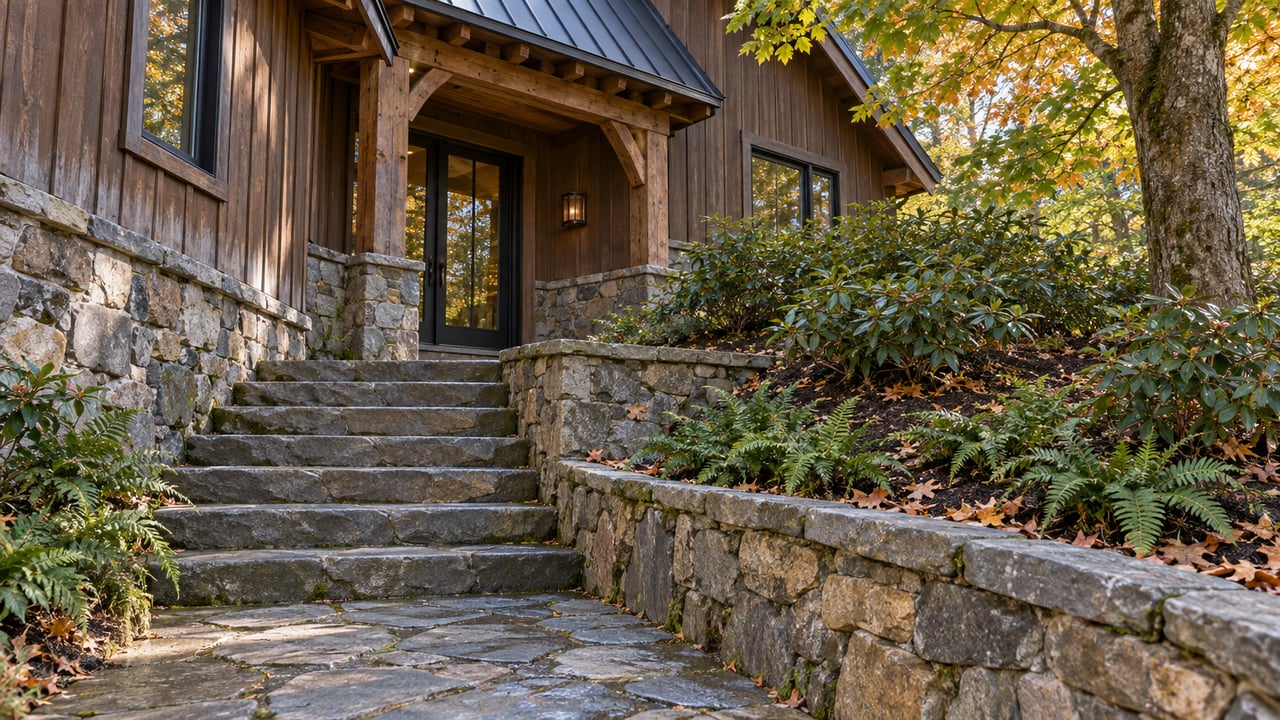
  • Topography. Is the lot flat, rolling, or steep? Will you need engineered driveways or retaining structures?
  • Utilities. Is the property on municipal water and sewer, or well and septic? What documentation is available?
  • Roads. Are roads public or private? Who pays for maintenance and snow removal? Do you need a 4WD vehicle in winter?
  • Views. Are views already opened and protected, or will tree work be needed? Do covenants restrict view clearing?
  • Broadband and cell. What are the current internet options and recent speed tests? How is cell coverage at the home?
  • Rental rules. Do HOA or neighborhood documents allow short-term rentals? Are there restrictions or registration requirements?
  • Amenities. Are you paying for club access or community amenities, and do they match how you will use the home?
  • Operating costs. Beyond price, what are property taxes, HOA fees, insurance, utilities, and routine maintenance likely to be?

Showing-day questions for second-home buyers

Bring these questions to every tour so you can compare apples to apples.

  • Water and septic. Ask for the septic permit, system size, age, and any repair history. Request well test results for yield and quality if applicable.
  • Access and parking. Confirm driveway grade, winter access expectations, parking capacity for guests, and delivery or service truck access.
  • Structural and site items. Look for retaining walls, drainage patterns, and erosion control measures. Ask about any engineered solutions.
  • Weather readiness. Who clears the road and the driveway after snow or ice? How often is plowing needed at this elevation?
  • Communications. What internet provider serves the property and what speeds are typical? How is cellular reception inside and outside?
  • Insurance. Has the owner obtained quotes that reflect wind, hail, wildfire, or freeze coverage and deductibles?
  • Improvements. Are there restrictions on exterior changes, tree removal, or adding a guest structure under local covenants or easements?

How to get current prices without guesswork

Highlands pricing and inventory change with the seasons. For the clearest picture, review a rolling 12 to 24 months of closed sales in the local MLS for your target neighborhood, and compare with active and withdrawn listings to gauge demand. Verify official subdivision names with county parcel data so you are pulling the right comps. Use this data to frame ranges and days on market, then apply property-specific adjustments for view quality, topography, and build or renovation costs.

If you prefer a curated snapshot, ask for a neighborhood comp package that includes closed sales, active and pending listings, and any relevant covenants or road documents. An experienced local team can add context on seasonal patterns, rental rules, and the on-the-ground differences that drive value.

Your next step

Choosing a Highlands neighborhood is as much about lifestyle as it is about square footage. Whether you lean toward a walk-to-town cottage, a ridge-view retreat on Big Bear Pen, a private acreage escape, or a club setting with amenities, the right fit should feel effortless. If you would like seasoned guidance and a tailored comp set for your short list, connect with the Michaud Rauers Group. Our boutique team pairs deep, place-based knowledge of the plateau with concierge-level service so you can buy with confidence.

FAQs

Is Highlands, NC walkable for second-home owners?

  • Walk-to-town areas exist and offer strong convenience, but they typically have smaller lots, limited parking, and higher per-square-foot pricing on the most desirable blocks.

What are the main tradeoffs with big-view ridge homes?

  • You get premium vistas and privacy, balanced by steeper lots, higher site and maintenance costs, potential wind exposure, and more complex septic or well siting.

How private-acreage properties differ from in-town homes?

  • Acreage offers space and seclusion, but usually requires more upkeep, may have variable broadband or cell service, and can involve longer road and snow maintenance obligations.

What should I know about club-oriented neighborhoods in Highlands?

  • Club settings provide amenities, social options, and managed services, but they come with initiation and recurring fees, community rules, and sometimes short-term rental restrictions.

Is Big Bear Pen Mountain walkable to downtown Highlands?

  • It is generally not a walk-to-town area, so plan to drive for groceries, dining, and events, which suits buyers who prioritize views and quiet over walkability.

How do I check if a Highlands home is on well and septic?

  • Request the septic permit and system details from the seller, plus well test results for yield and water quality, and confirm with local records when available.

Who clears roads and driveways in winter for ridge properties?

  • It varies by road ownership. Public roads are maintained by the appropriate authority, while private roads and driveways are typically the responsibility of owners or an HOA.

Can I rent my second home in Highlands on a short-term basis?

  • Rental potential is strong near town and with views, but always confirm HOA or neighborhood rules first, since local regulations and covenants can limit or permit vacation rentals.

How do I get accurate comps for a specific Highlands neighborhood?

  • Pull a 12 to 24-month closed-sales report from the local MLS using the verified subdivision name, then compare with actives and pendings to understand demand and pricing dynamics.

Work With Us

Whether you're a first-time buyer or a seasoned developer, our property services are designed to exceed expectations. We consistently sell homes quickly and above asking price.