Satulah Historic District Homes & Architectural Heritage
What draws you to a Highlands cottage? Maybe it is the feel of a cool stone hearth, the glow of chestnut paneling, or a morning walk to a rocky summit with wide views. If you are curious about where architecture and mountain landscape meet, Satulah Historic District offers a rare blend of craft, character, and access to nature. In this guide, you will learn what defines Satulah’s look and feel, how its protected landscape shapes daily life, and what to consider if you plan to buy or own here. Let’s dive in.
Satulah Mountain Historic District spans about 188 acres in the southwest part of Highlands, with rough boundaries that include NC 28, Satulah, Brooks, Worley, Warren, and Old Walhalla Road. The district was listed on the National Register of Historic Places in 1995 due to its cohesive architecture and history as a mountain resort neighborhood. You will find homes dating from the late 19th through mid 20th centuries, with many signature cottages built in the early 1900s. Learn more from the overview for the Satulah Mountain Historic District on the National Register and the state listing index for Macon County.
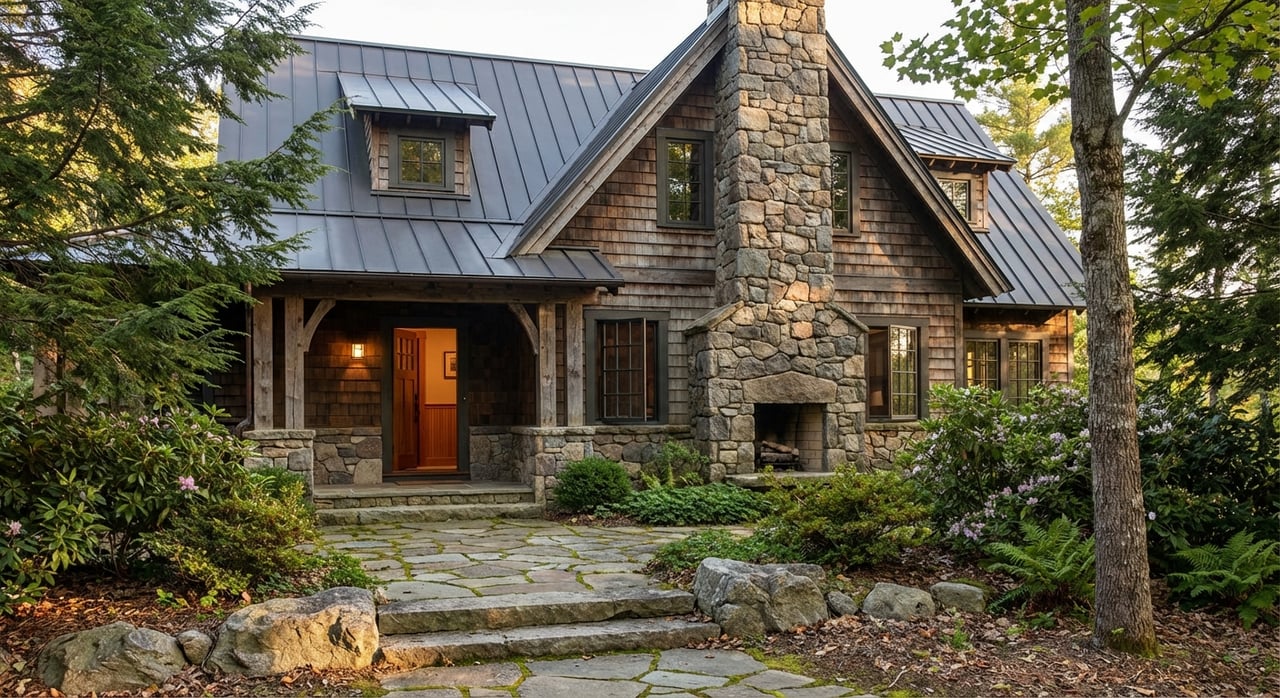
What makes Satulah notable is its blend of Rustic materials and Craftsman and Bungalow influences. Think log accents and rough stonework, paired with porches, low rooflines, and simple, livable plans. The result is a neighborhood that feels both handcrafted and rooted in the mountain landscape.
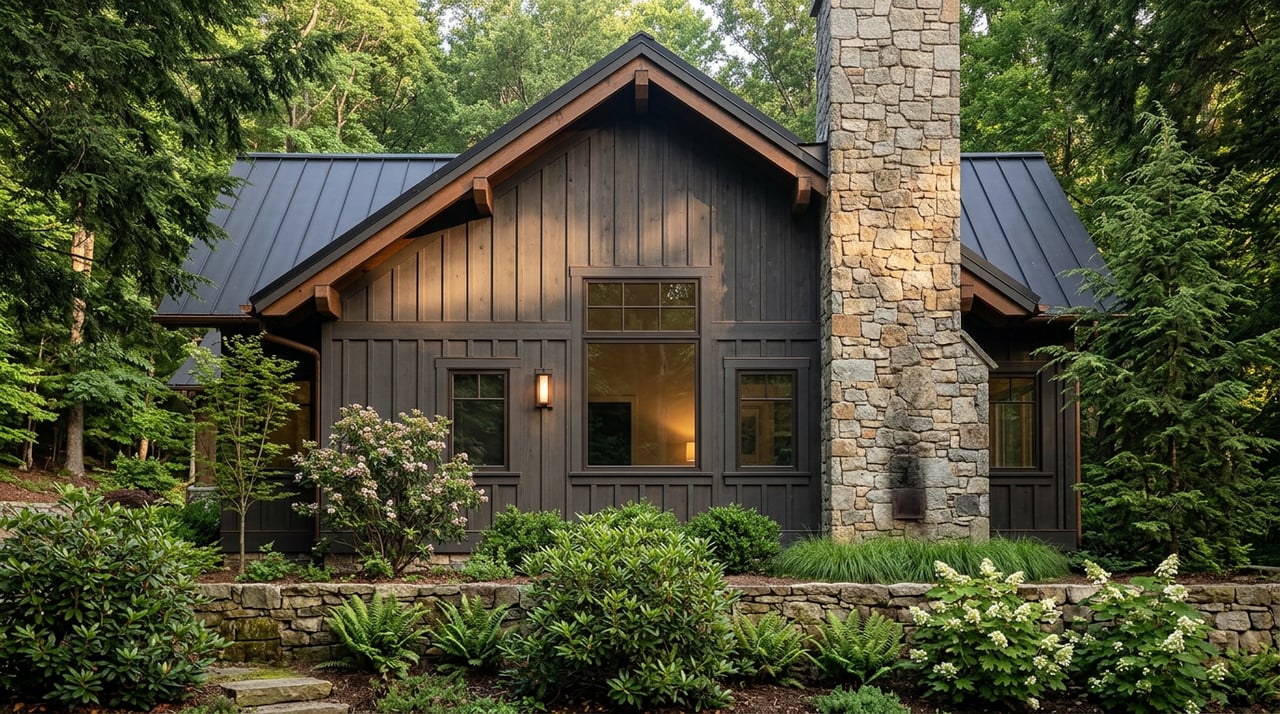
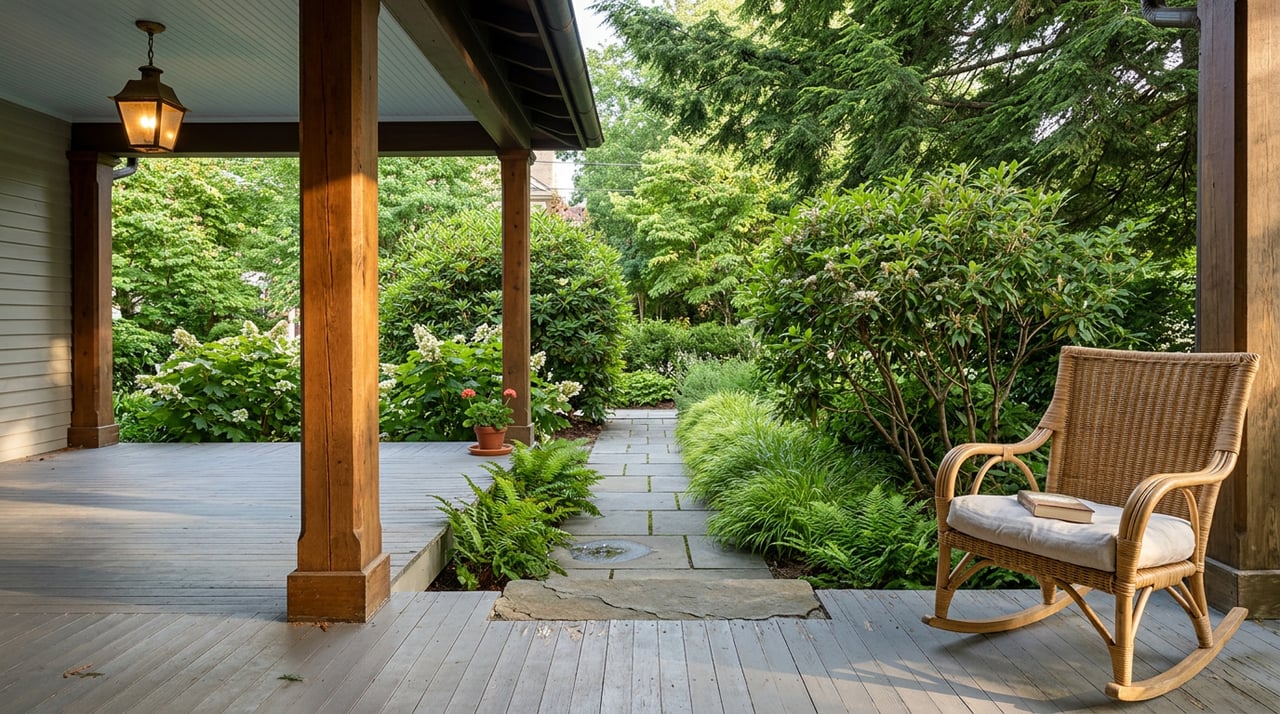
Satulah’s streets mix vernacular forms with Arts and Crafts and small Foursquare plans. You will see low-slung rooflines, deep eaves with exposed rafters, generous porches, and modest footprints that fit the terrain. Many houses carry Rustic detailing as finish work, rather than full log construction, which creates a refined but natural look. Prominent stone chimneys act as organizing features inside and out, anchoring the composition.
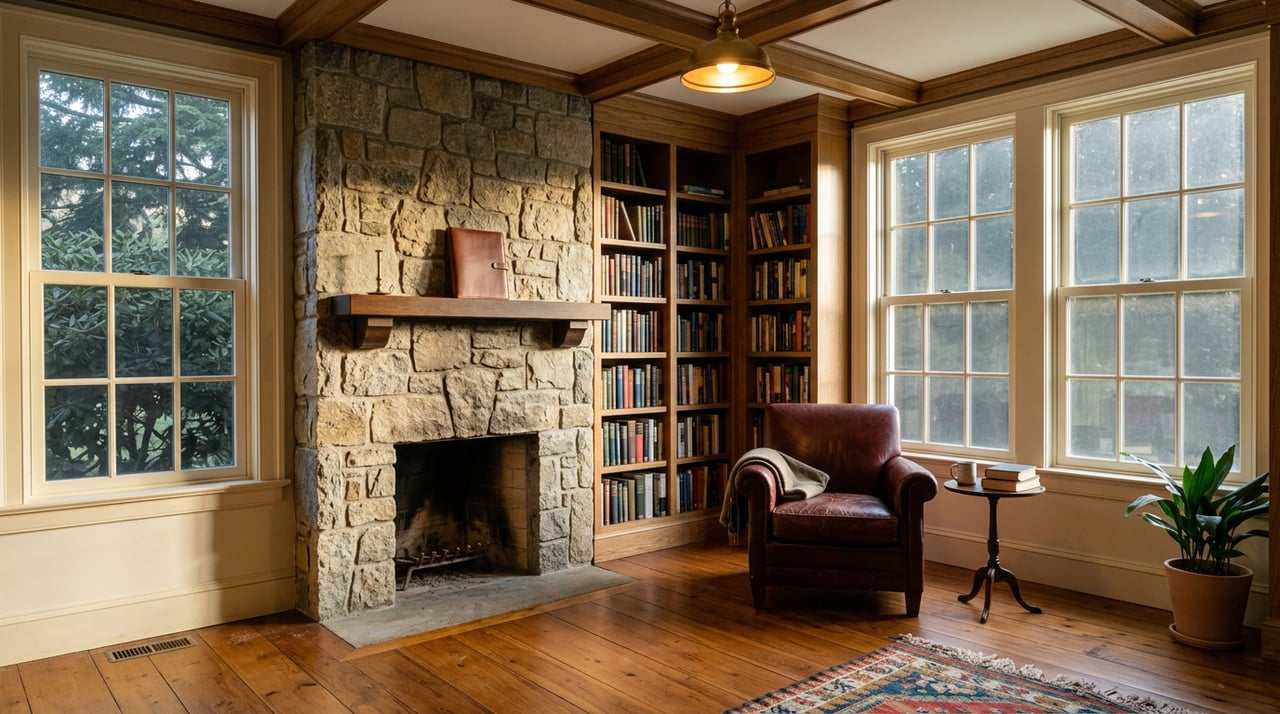
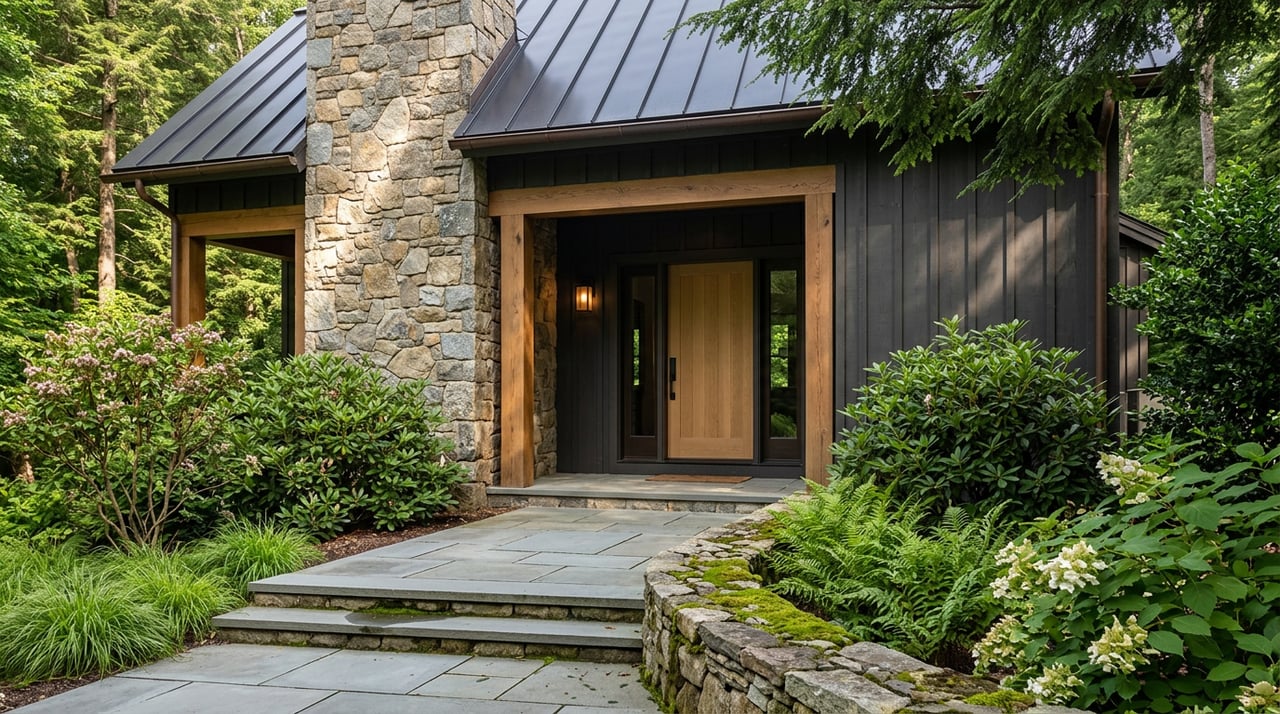
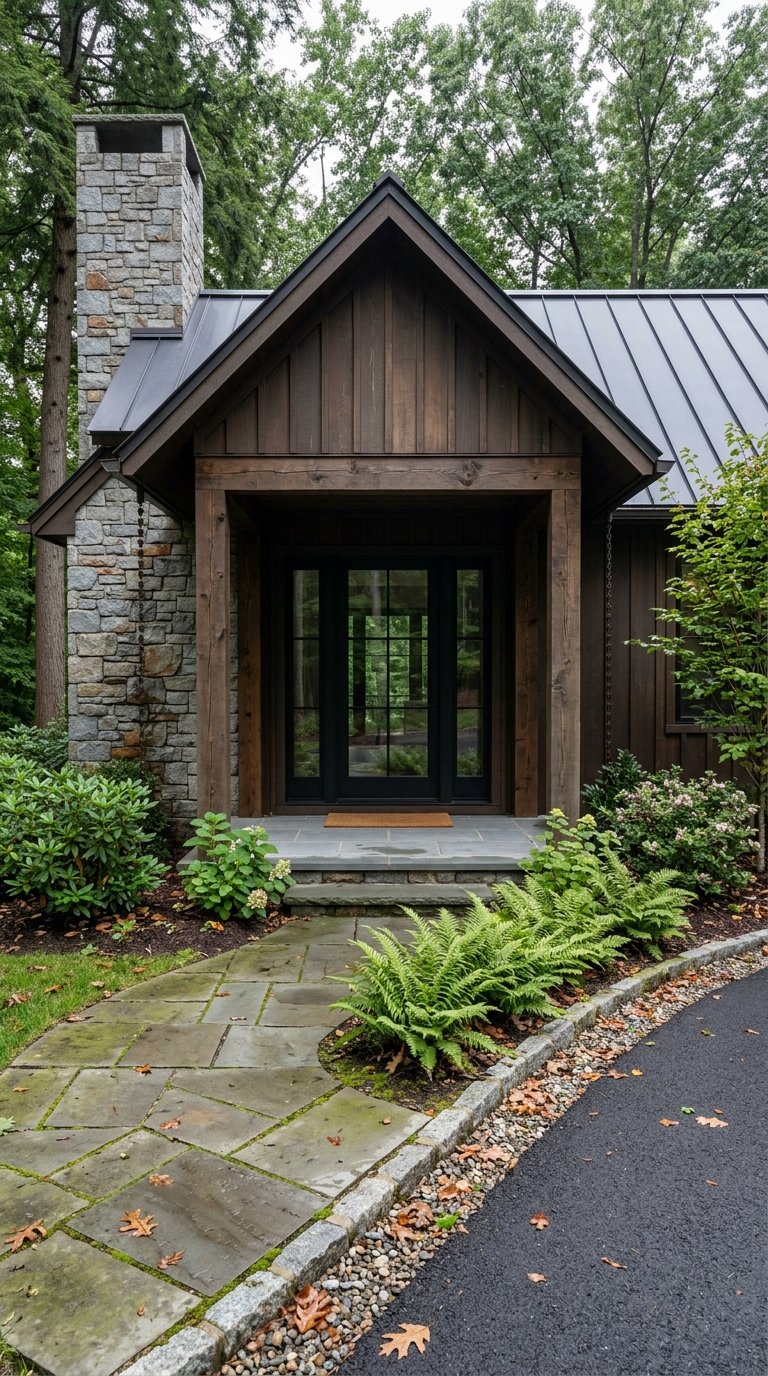
Local materials do much of the storytelling here. Large fieldstone fireplaces and foundations show up again and again, often with rough, textural stonework that highlights handcraft. Interior finishes frequently include American chestnut paneling, built-ins, and beams, along with decorative chestnut bark used on walls in some homes. Branch and twig railings, hewn logs, and limb ornament are distinctive touches associated with local builders. For background on these craft traditions, see the NC State profile of Highlands builder Joe Webb and his material palette.
Chestnut is worth a special note. It is historically significant in the region, and surviving interiors matter because American chestnut was devastated by blight in the early 20th century. The American Chestnut Foundation’s history and federal resources on chestnut blight explain why intact chestnut finishes are relatively rare today.
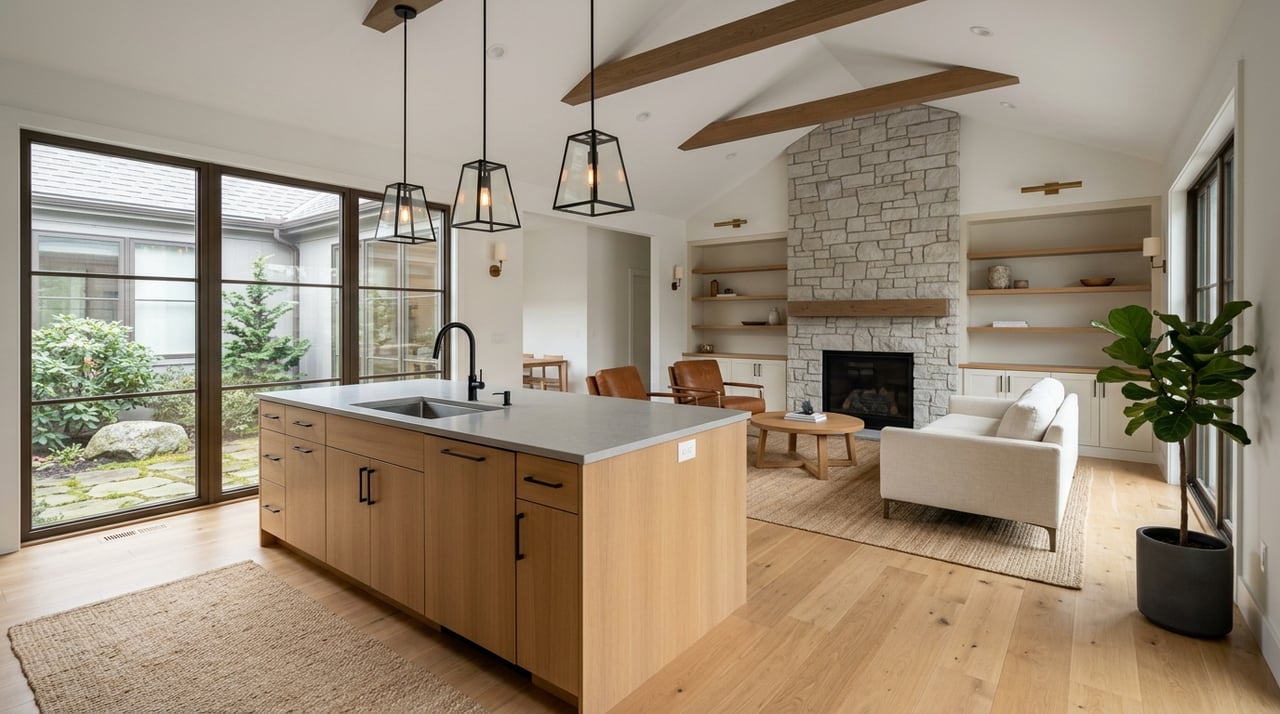
If you picture a Highlands cottage, you likely imagine a masonry fireplace with a deep hearth and heavy timber mantle. In Satulah, that image holds true. Many living rooms are organized around large fieldstone fireplaces, a feature widely noted in local architectural descriptions. It is one of the clearest cues that you are in a mountain cottage built with natural materials and long-term comfort in mind.
Joe Webb, a celebrated local carpenter and builder, is closely associated with Rustic cottages in and near Satulah. His work is known for chestnut bark siding, wormy chestnut interiors, rough stone, and rhododendron branch railings that feel at home in the woods. Read more in the NC Architects Project profile on Joe Webb. Other architects and architect-builders, including James J. Baldwin, helped introduce the summer-cottage vocabulary that local craftsmen adapted. You can explore that context in the James J. Baldwin profile.
Satulah’s architecture is only half the story. The mountain itself shapes daily life. In 1909, the Highlands Improvement Association purchased the summit of Satulah Mountain to prevent development and preserve public views. Today, the Highlands-Cashiers Land Trust stewards that legacy, including trail access and overlooks. Learn more about this early conservation effort in the Trust’s history of Satulah and Ravenel Park.
One of the neighborhood’s greatest perks is the close connection to trails and overlooks. Routes from downtown Highlands to the Satulah summit are established and used by locals, making the mountain feel like an extension of your backyard. The Trust’s trail pages outline options to get outside around Satulah. For scenic context, Ravenel Park’s Sunrise and Sunset Rock are favorite vantage points that frame downtown and the plateau. Explore those locations through the Trust’s preserve and trail highlights.
If you love a morning walk, Satulah’s proximity to town matters. Descriptions of the Highlands Plateau Greenway note historic-district connections that make it easy to pair a coffee run with a quick hike. See the Greenway’s reference to Highlands historic districts and routes.
The National Register of Historic Places is an honor that recognizes significance. On its own, it does not create local design controls for private owners. Any local rules would come from town or county ordinances. If a project uses federal funds, permits, or licensing, it can trigger Section 106 review under the National Historic Preservation Act. The National Park Service explains these points in its owner and community FAQs.
Financial incentives depend on the type of property and project. Income-producing properties that undergo a certified rehabilitation may qualify for Federal Historic Tax Credits, subject to National Park Service review and the Secretary of the Interior’s Standards. Purely private residential work has fewer federal incentives, and state or local programs vary. You can review the basics in the NPS guide to historic tax credit eligibility.
If Satulah’s character speaks to you, here are practical ways to approach a purchase or stewardship plan:
Walking Satulah’s quiet lanes, you see why this district endures. Stone chimneys rise through the trees, porches catch the breeze, and the trail to the summit waits after breakfast. It is a place where architecture, craft, and conservation come together to shape daily life.
If you are considering a move or a sale in Satulah, you deserve a partner who understands how to present historic character and reach the right buyers. Connect with the Michaud Rauers Group to talk strategy, tailored marketing, and neighborhood insights.
Stay up to date on the latest real estate trends.
Whether you're a first-time buyer or a seasoned developer, our property services are designed to exceed expectations. We consistently sell homes quickly and above asking price.