Highgate Highlands Mountain Homes: Rustic Luxury Design
What draws you to a Highgate home is not a single feature, but a feeling the moment you step onto a cedar porch and see native stone anchoring the house to the slope. If you are considering a second home in Highlands or preparing to list one in Highgate, you want architecture that looks timeless and lives easily through mountain seasons. In this guide, you will learn how the neighborhood’s rustic‑luxury aesthetic comes together, what materials perform best in 28741, and which upgrades and maintenance choices pay off at resale. Let’s dive in.
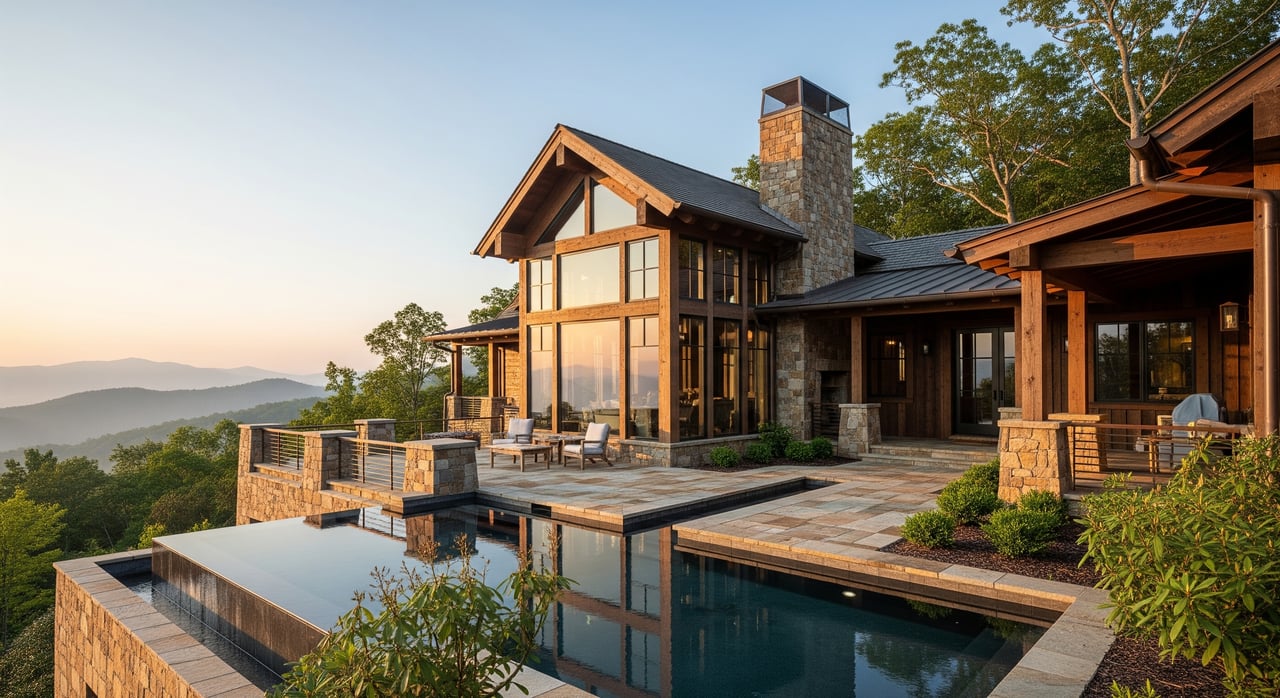
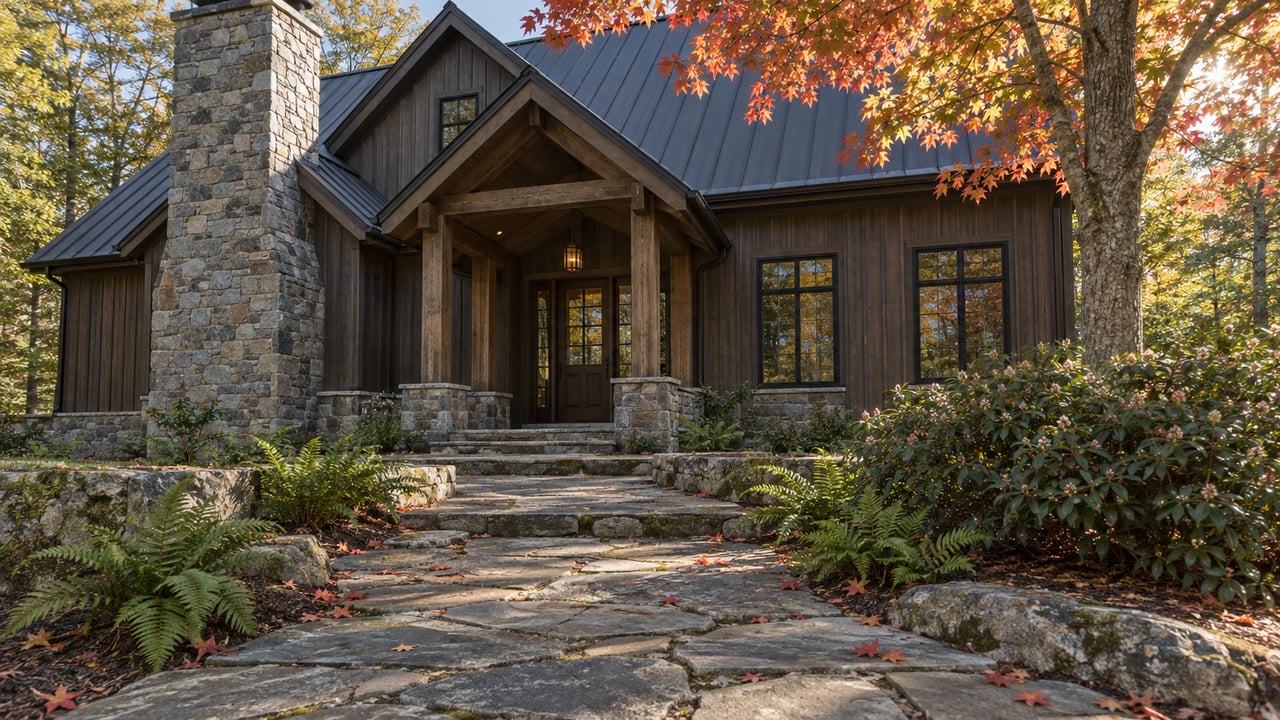
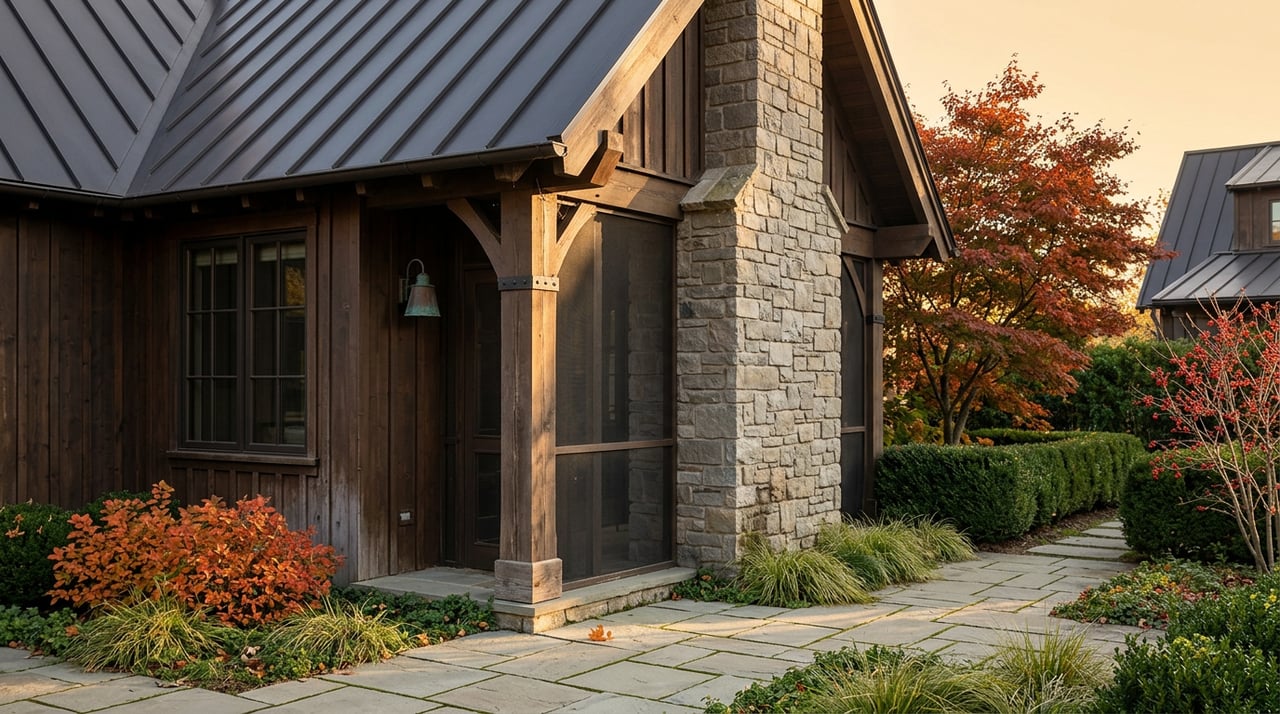
Highgate homes embrace a refined mountain vernacular built for steep lots and long views. You will see low‑profile massing that steps with the land, generous gables, and porches that turn into outdoor rooms. The details favor craftsmanship: cedar shakes or planks, native stone, and metal that feels purposeful rather than flashy.
Inside, floor plans often revolve around a vaulted great room and a substantial stone or masonry fireplace. Window placement favors view corridors and cross‑ventilation, which keeps living comfortable in shoulder seasons. The goal is simple: a home that feels rooted to the Highlands landscape and ready for effortless gatherings.
Why do these choices repeat in 28741? Materials are sourced to blend with the forest and rock, porches protect exteriors from frequent precipitation, and buyers expect authentic finishes that age well. In the Highlands market, those signals support value.
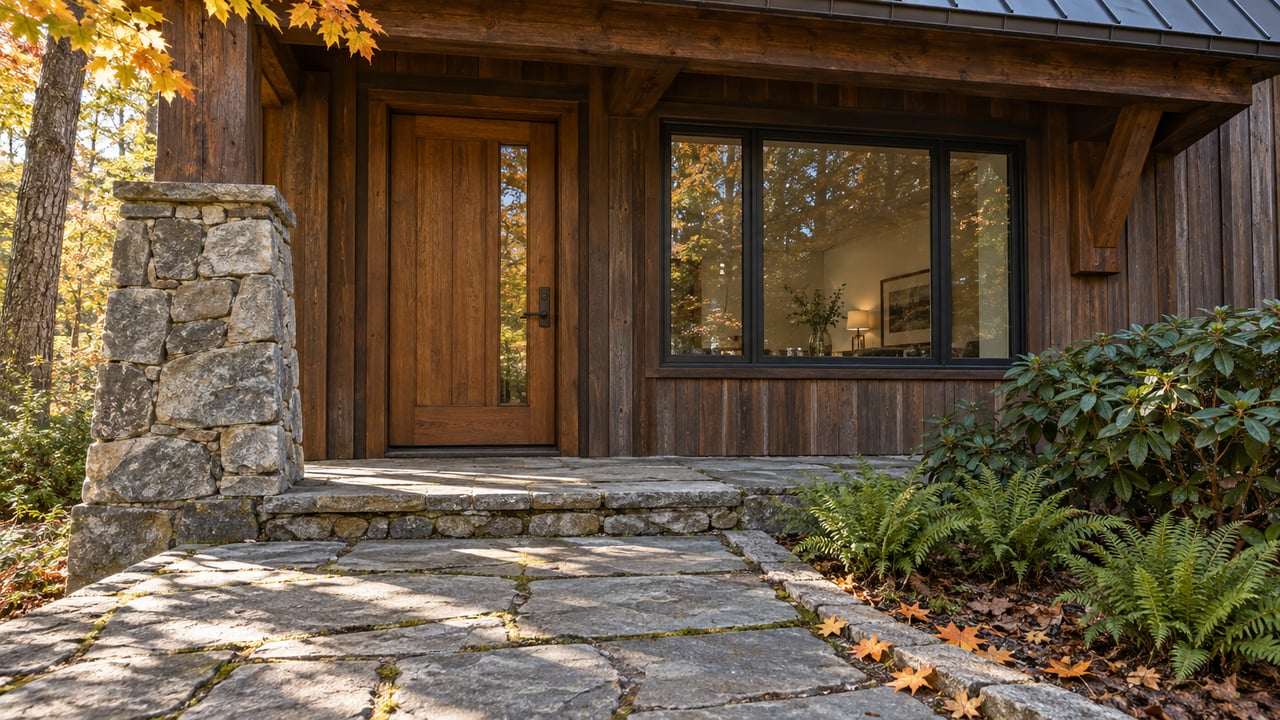
Cedar shakes and clapboard give Highgate exteriors their warm, textured character. Left to weather, cedar can settle into a soft silver, or you can maintain a richer tone with finishes.
Performance in Highlands: Cedar naturally resists rot and insects better than many softwoods, but the area’s humidity and frequent precipitation can encourage mildew and staining. With good detailing and routine care, cedar wears in rather than wears out.
Maintenance to plan for:
Typical lifespan: Multi‑decade performance is common for siding and roofing when cared for, often in the 20 to 40 plus year range depending on exposure and maintenance.
Resale impact: Authentic cedar is a strong draw in mountain markets. Well‑documented maintenance reassures buyers. Neglected cedar can show up as a costly deferred‑maintenance item at inspection.
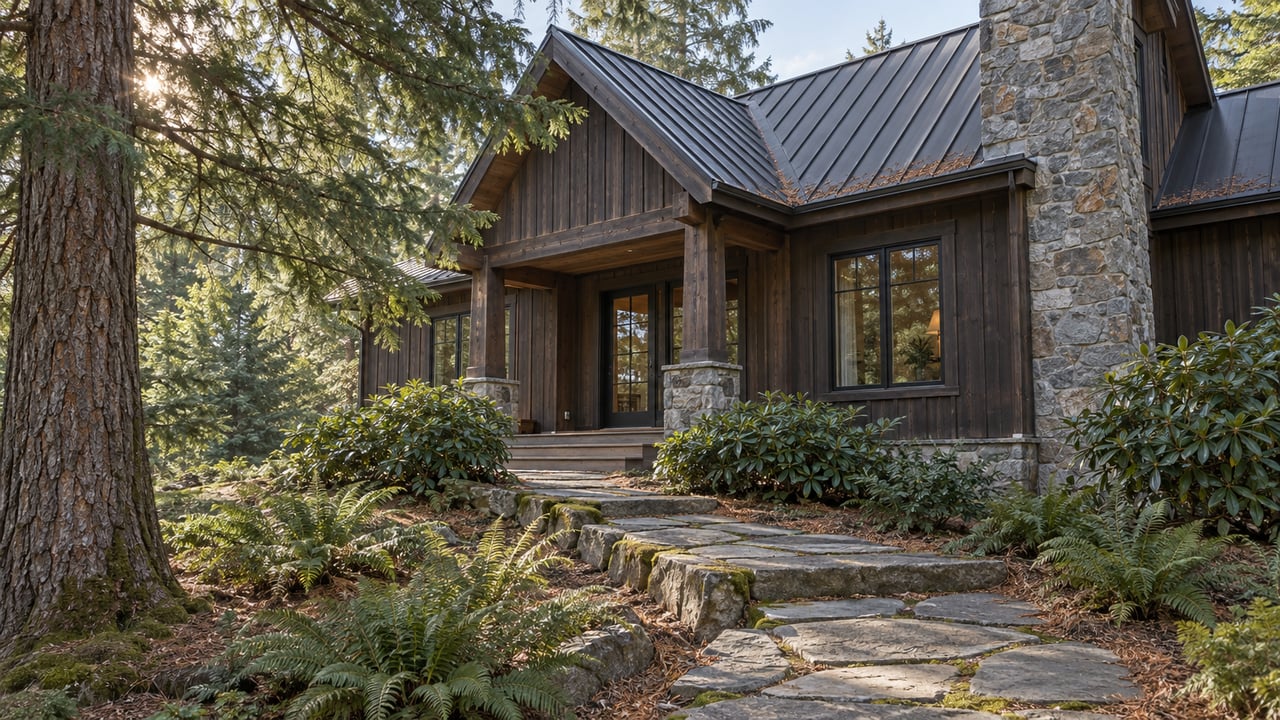
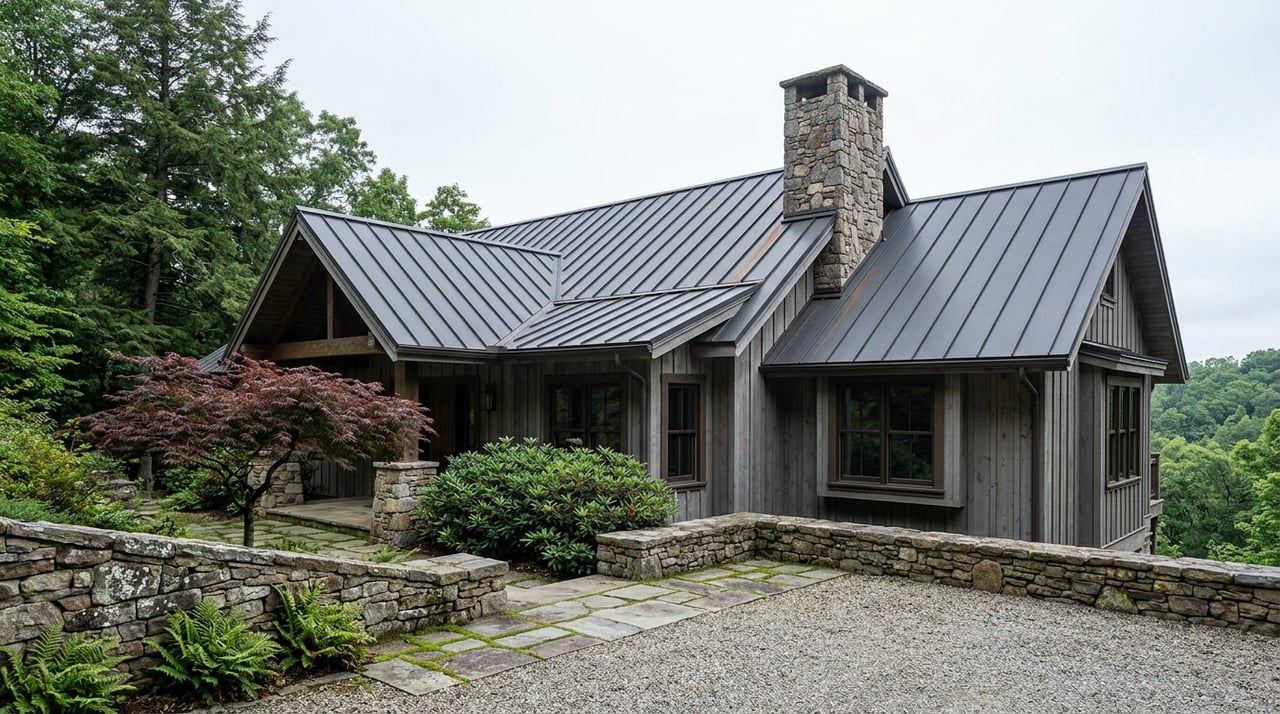
Standing‑seam metal roofs feel right at home in Highlands and perform beautifully on steep slopes. They shed water and snow, resist rot and insects, and deliver a crisp architectural profile.
Maintenance to plan for:
Typical lifespan: Often 40 to 70 plus years, which is significantly longer than many organic shingles.
Resale impact: Buyers see durability and lower long‑term cost, which can make a metal roof a standout positive in a second‑home purchase.
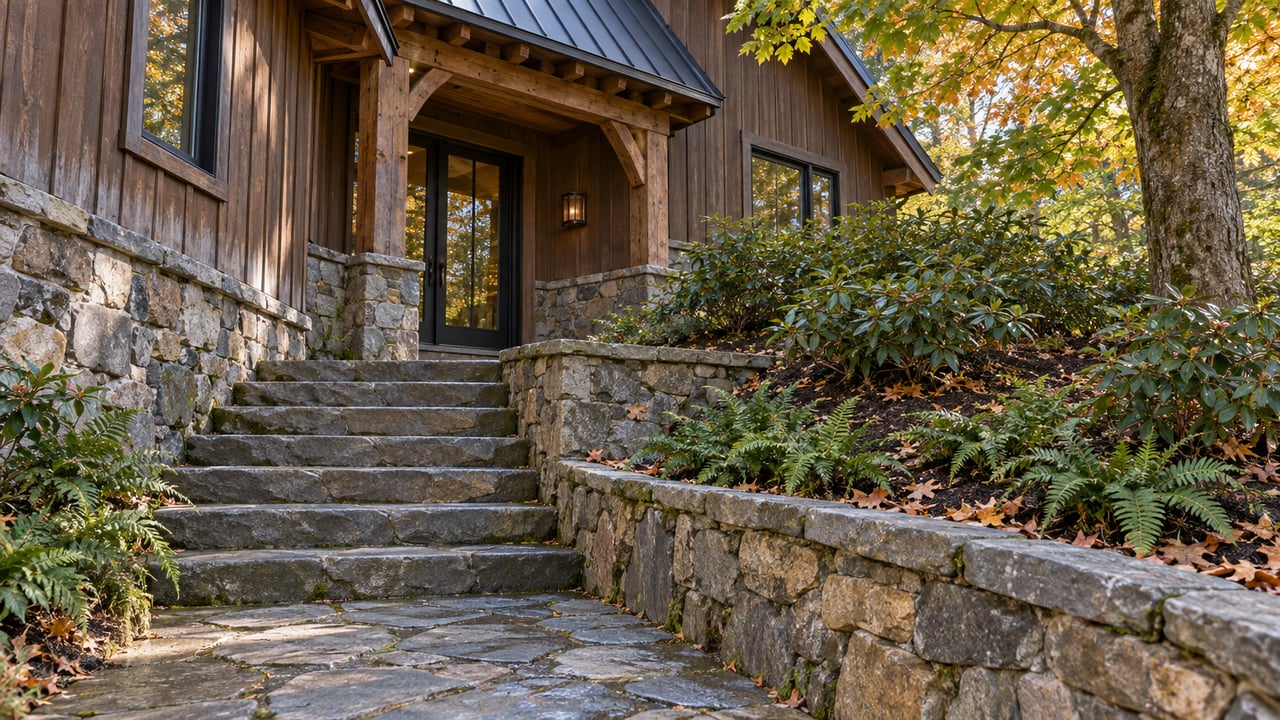
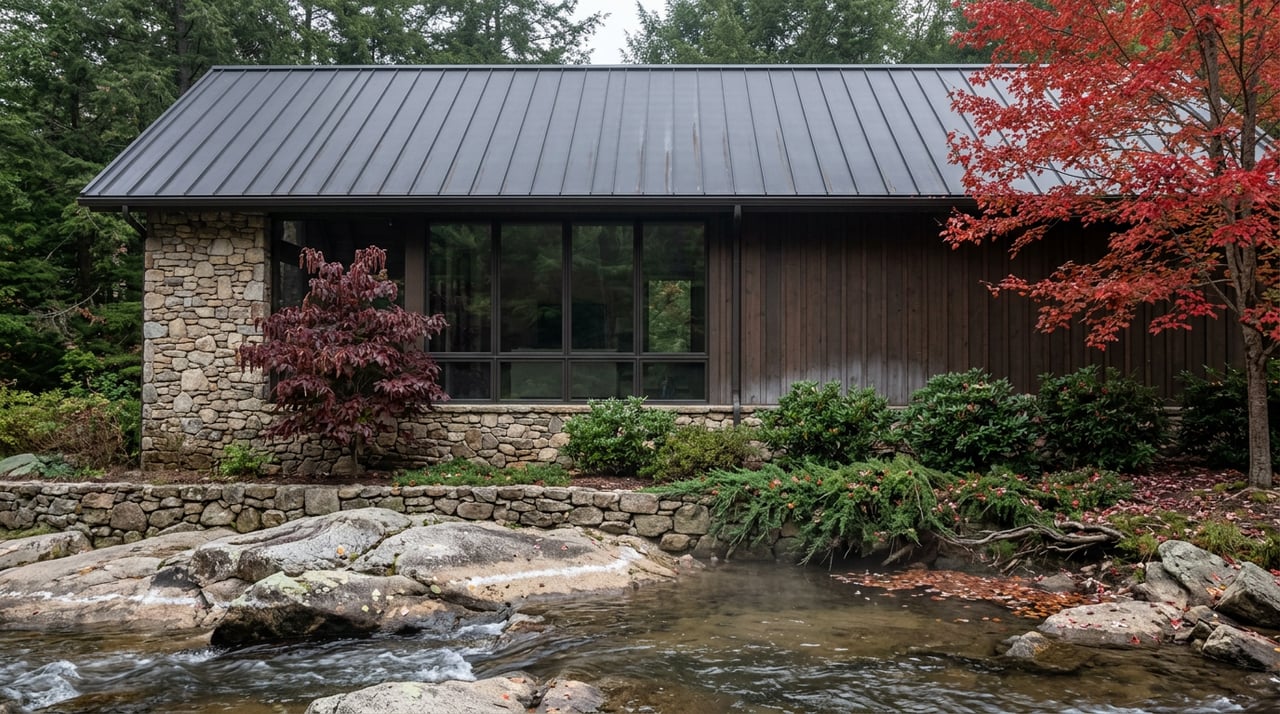
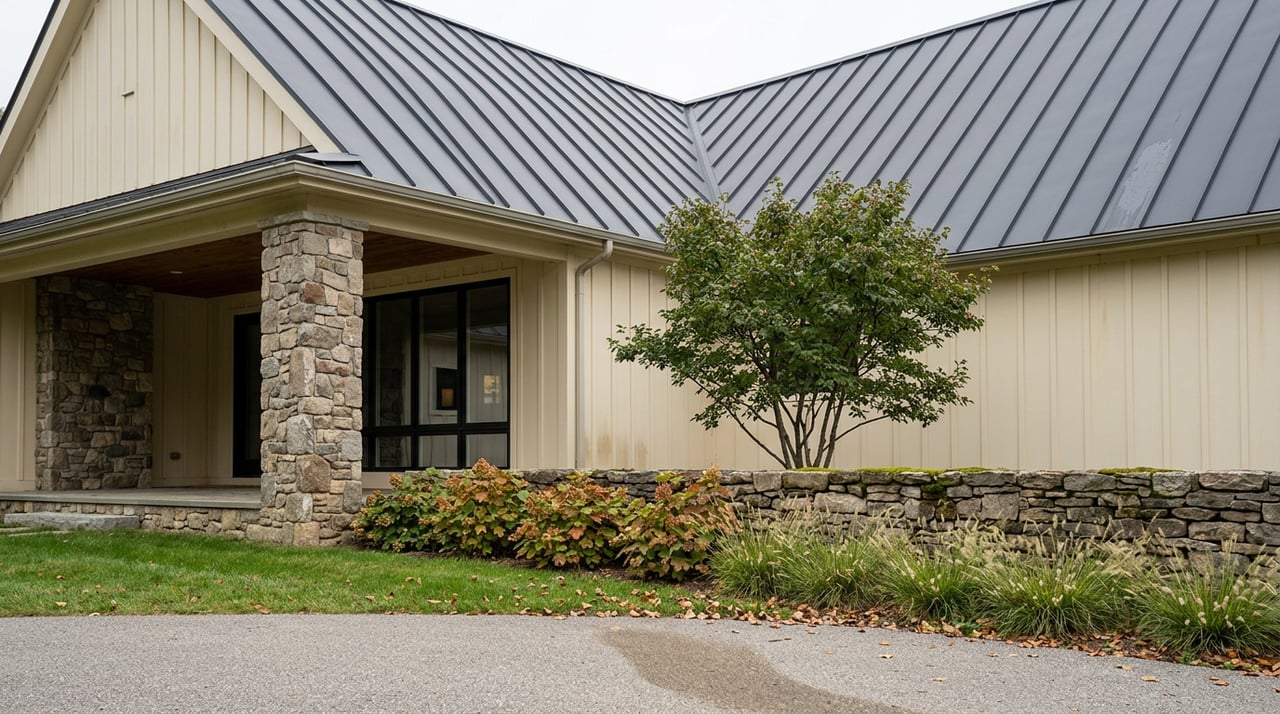
Local stone grounds a house visually and structurally. You will see it in foundations, chimney stacks, retaining walls, and entry features.
Maintenance to plan for:
Resale impact: Native stone conveys permanence and craftsmanship. When installed and drained properly, it supports long‑term value and reduces future surprises.
Bark siding is a distinctive Appalachian tradition used selectively on cottages and estate homes. It delivers an unmistakable rustic look, often as an accent alongside cedar and stone.
Performance considerations: Bark is more niche and variable than cedar or manufactured claddings. It can trap moisture and attract pests if detailing is poor. Installation expertise is critical, and moisture management around windows and porches matters a lot.
Maintenance to plan for:
Resale impact: When authentic and well‑maintained, bark siding is a memorable selling point. When degraded, it becomes a deterrent and can be costly to replace.
Outdoor rooms are a hallmark of Highgate living. Large covered porches and screened rooms extend your season. Terraces step into the slope for dining, fire pits, and lounge areas.
Material choices and care:
Design for microclimate: Covered porches and screening add comfort in cool evenings and during shoulder seasons. Integrated heaters and lighting help you enjoy the space more months of the year.
Resale impact: Well‑executed outdoor living adds lifestyle value that buyers expect in a second‑home market. Durability and proof of maintenance strengthen offers.
Highlands sits at high elevation in the southern Appalachians, which brings cooler temperatures, frequent precipitation, and periods of snow. Humidity and freeze‑thaw cycles increase stress on finishes and hardscape. Sun at elevation can age exposed finishes faster on south or west faces.
Steep lots are common. Good drainage, retaining walls, and foundation waterproofing are essential. Think through road access, snow removal plans, and how you will winterize systems when the home is vacant.
Most Highgate properties are subject to HOA design guidelines that shape exterior materials, colors, and landscape treatments. These protect community character, though they may limit certain alterations. Macon County and the Town of Highlands enforce permits and inspections for structural, mechanical, and stormwater systems, so confirm requirements before adding terraces or changing cladding.
Insurance and utilities also deserve a look early. Roof materials, storm‑resistant assemblies, and property access can influence underwriting. On more remote lots, confirm well and septic performance and any seasonal maintenance needs.
Lifestyle fit:
Operational considerations:
Choosing the right guidance means your house looks its best and sells with confidence. The Michaud Rauers Group is a boutique, high‑performing team rooted in the Highlands–Cashiers plateau. We pair deep local knowledge of neighborhoods like Highgate with concierge‑level marketing, from professional staging and photography to targeted distribution through our Berkshire Hathaway HomeServices network. Our track record includes Chairman’s Circle Diamond recognition and RealTrends rankings, which reflect the results we deliver for luxury sellers and second‑home buyers.
If you are exploring a purchase or preparing to list, we would be honored to help you position the architecture, materials, and outdoor living that make your Highgate home special. Connect with the Michaud Rauers Group to start a conversation.
Stay up to date on the latest real estate trends.
Whether you're a first-time buyer or a seasoned developer, our property services are designed to exceed expectations. We consistently sell homes quickly and above asking price.