Jumbo Loans For Second Homes In North Carolina
Shopping for a Highlands retreat and realizing the numbers put you beyond typical loan limits? You are not alone. Many second-home buyers in 28741 look at properties where jumbo financing is the norm. In this guide, you will learn how jumbo second-home loans work in North Carolina, what lenders expect, and how Highlands-specific property features can affect your approval and timeline. Let’s dive in.
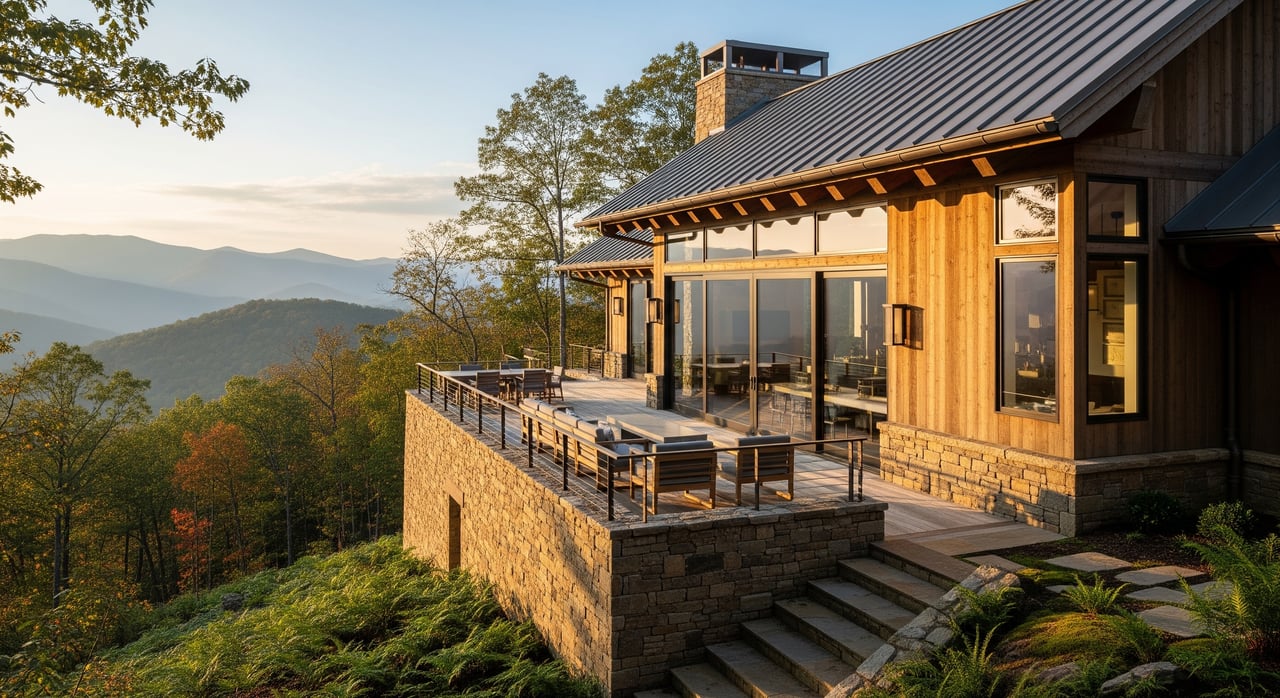
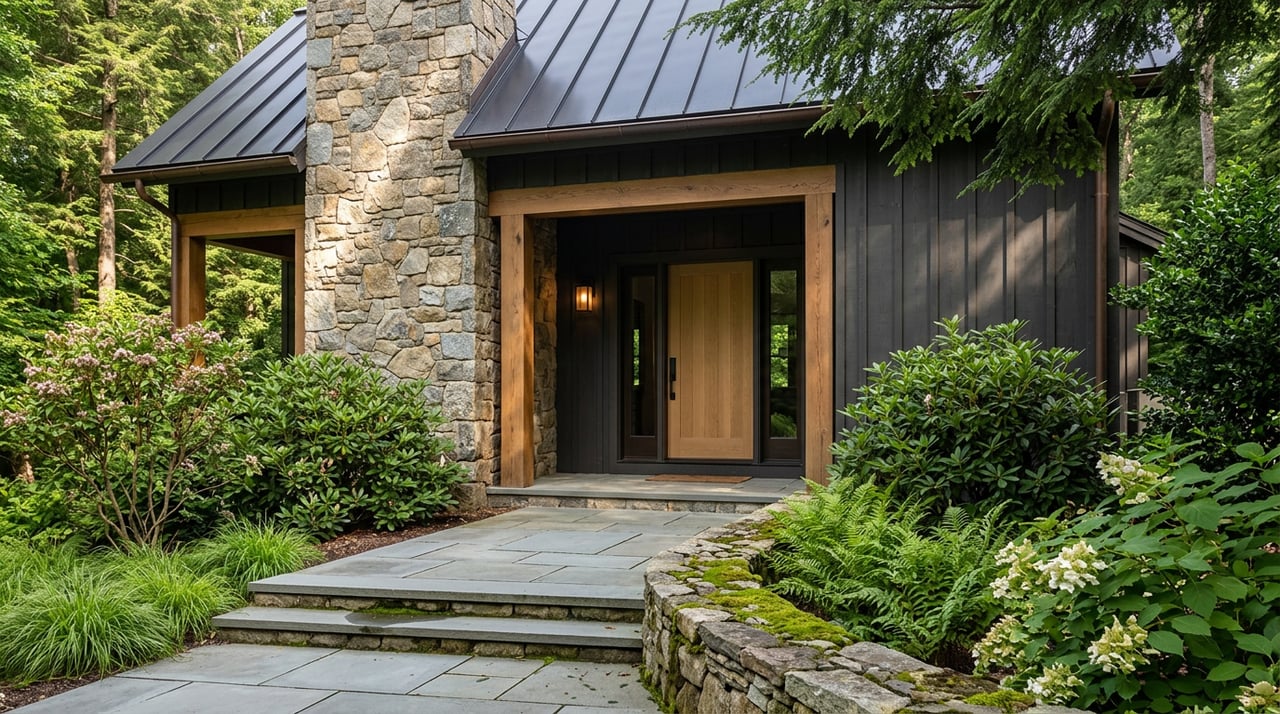
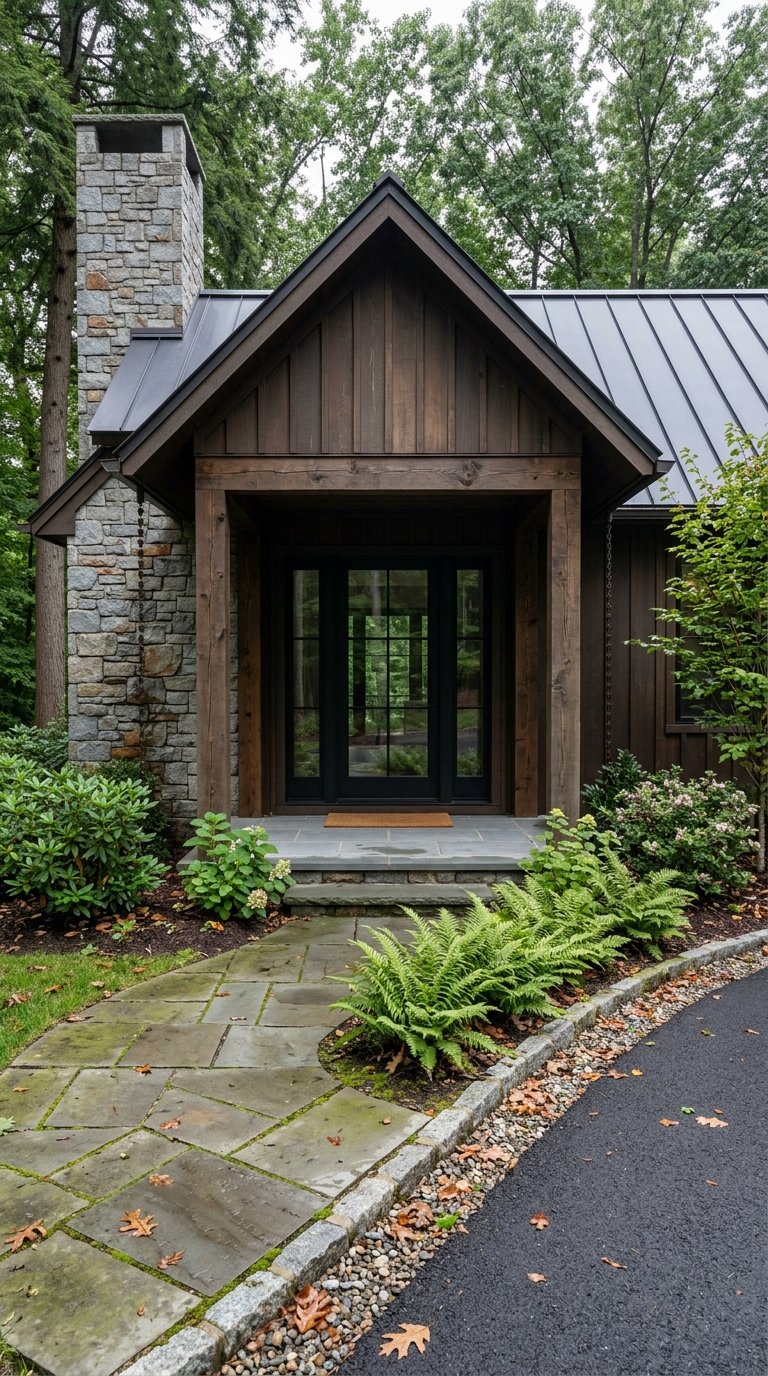
Highlands and greater Macon County offer a large share of high-value single-family homes, cottages, and luxury mountain estates. Many list prices and recent sales exceed the conforming loan limit set by federal guidelines, so buyers often need a jumbo mortgage. The local market is seasonal, and unique homes can make comparable sales scarce, which affects valuations and underwriting timelines.
A quick note on definitions. The Federal Housing Finance Agency sets the conforming loan limit each year at the county level. Any mortgage above that applicable limit is considered a jumbo loan and is financed through non-agency programs. Before you finalize a plan, confirm the current county limit with your lender.
A jumbo loan is any mortgage with an original balance above the local conforming limit. These loans are not eligible for purchase by Fannie Mae or Freddie Mac. Most jumbo loans are offered by:
For occupancy, a “second home” means a property you will use part-time, not as your primary residence and not primarily as a short-term rental. Second-home loans are generally priced and underwritten more favorably than pure investment property loans. Lenders verify your intent and may reclassify the loan if there is significant short-term rental activity or an ownership structure that looks like an investment.
Pricing is market driven. Jumbo rates often move with conforming rates but can be slightly higher or lower depending on investor appetite. The bigger differences show up in credit requirements, allowed loan-to-value, reserves, and documentation for second homes.
Lender guidelines vary, especially with jumbos. Expect a more document-heavy process than a standard conforming loan.
Most second-home jumbo programs look for strong credit. Typical minimums range from the high 600s to 720 plus, and best pricing often starts around 720 to 760 plus. Many lenders cap debt-to-income at about 43 to 45 percent, although some portfolio lenders will stretch for borrowers with significant assets and long income history. A clean mortgage or rent payment history is important.
Down payment drives both approval and pricing. Common ranges for second-home jumbos are:
Cash-out refinances on second homes are more limited than purchases.
Because second homes add layered risk for lenders, reserve requirements are higher than for many primary-residence loans. Expect to show at least 6 months of PITI in liquid reserves, and for larger balances or higher LTVs, 9 to 12 months or more. Reserves can include cash, brokerage accounts, and some retirement assets, subject to verification rules.
Most borrowers use full documentation: two years of tax returns, recent W-2s or pay stubs, and bank statements showing funds and reserves. Alternatives exist for self-employed or retired buyers:
Lenders can count retirement distributions, dividends, and interest when they are documented and stable.
Several factors influence your final terms:
Appraisal waivers are rare for non-agency loans. Expect a full appraisal by an appraiser experienced with luxury mountain properties.
The mountains shape both lifestyle and underwriting. A few local considerations can affect eligibility, value, and timelines.
Many Highlands-area homes sit on steep lots or use private roads and long driveways. Lenders and appraisers review legal access, right-of-way, and road maintenance agreements. Winter conditions can matter for occupancy and may be reviewed.
Private wells and septic systems are common. Lenders often require proof of well capacity and satisfactory septic function. Failing systems can reduce value or disqualify a loan until remediation is complete.
Charming older cottages and estates may need modernization. Lenders want evidence of habitability and may require completion of certain deferred maintenance prior to closing.
If you plan to rent the home short term, your lender may classify the loan as investment rather than second home. Many second-home programs prohibit active short-term rental plans or require disclosure. Local zoning and HOA rules often restrict rentals, which lenders will verify.
For condos and resort communities, project review is more stringent in jumbo lending. Expect scrutiny of the HOA’s budget, reserves, litigation status, owner-occupancy mix, and rental restrictions.
High-value mountain properties can face higher premiums and coverage limitations, including wind or hail. Lenders require evidence of acceptable coverage and may ask for risk mitigation. Flood determinations are required. Highlands’ elevation reduces widespread flood risk, but localized flood zones exist, so check property-specific maps.
Unique luxury homes may have few direct comps. Appraisers may use a wider radius and include narrative analysis. Plan for longer timelines and potential requests for additional documentation.
Early engagement helps you compete and reduces surprises.
Who to involve:
Set yourself up for a smoother close with this practical prep list:
A jumbo second-home mortgage in Highlands is achievable when you plan ahead for documentation, reserves, and property-specific details like access, wells, and HOA health. The right local team can help you select the best financing path, anticipate appraisal needs, and navigate insurance and title requirements with confidence.
If you are exploring a luxury retreat on the Highlands–Cashiers plateau, connect with a team that lives this market every day. For introductions to trusted local lenders and guidance on the best-fit properties, reach out to the Michaud Rauers Group.
Stay up to date on the latest real estate trends.
Whether you're a first-time buyer or a seasoned developer, our property services are designed to exceed expectations. We consistently sell homes quickly and above asking price.