DIY Staging
If you’re looking for a more cost-effective option, it may be best to stage your home yourself.
First, you’ll want to start with cleaning, decluttering, and depersonalizing. This is a great excuse to finally get around to that annual cleaning from earlier in the year that you’ve put off. Each room should only have what is absolutely necessary. Throw out anything you don’t need or keep things tucked away in a bin during open houses and showings. You’ll also want to remove any personal photos or decor around your home, including anything religious or political. The less personal your home is, the more a potential buyer will imagine themselves living in your space.
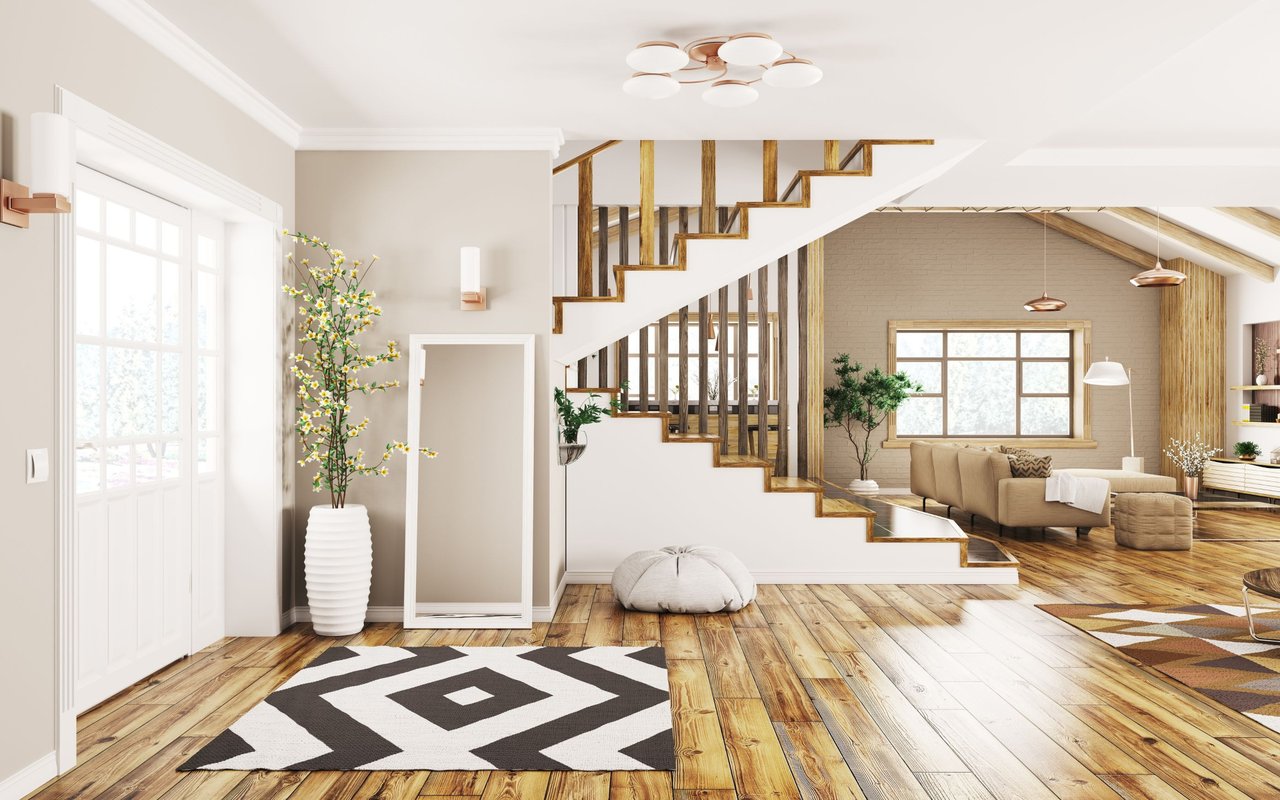
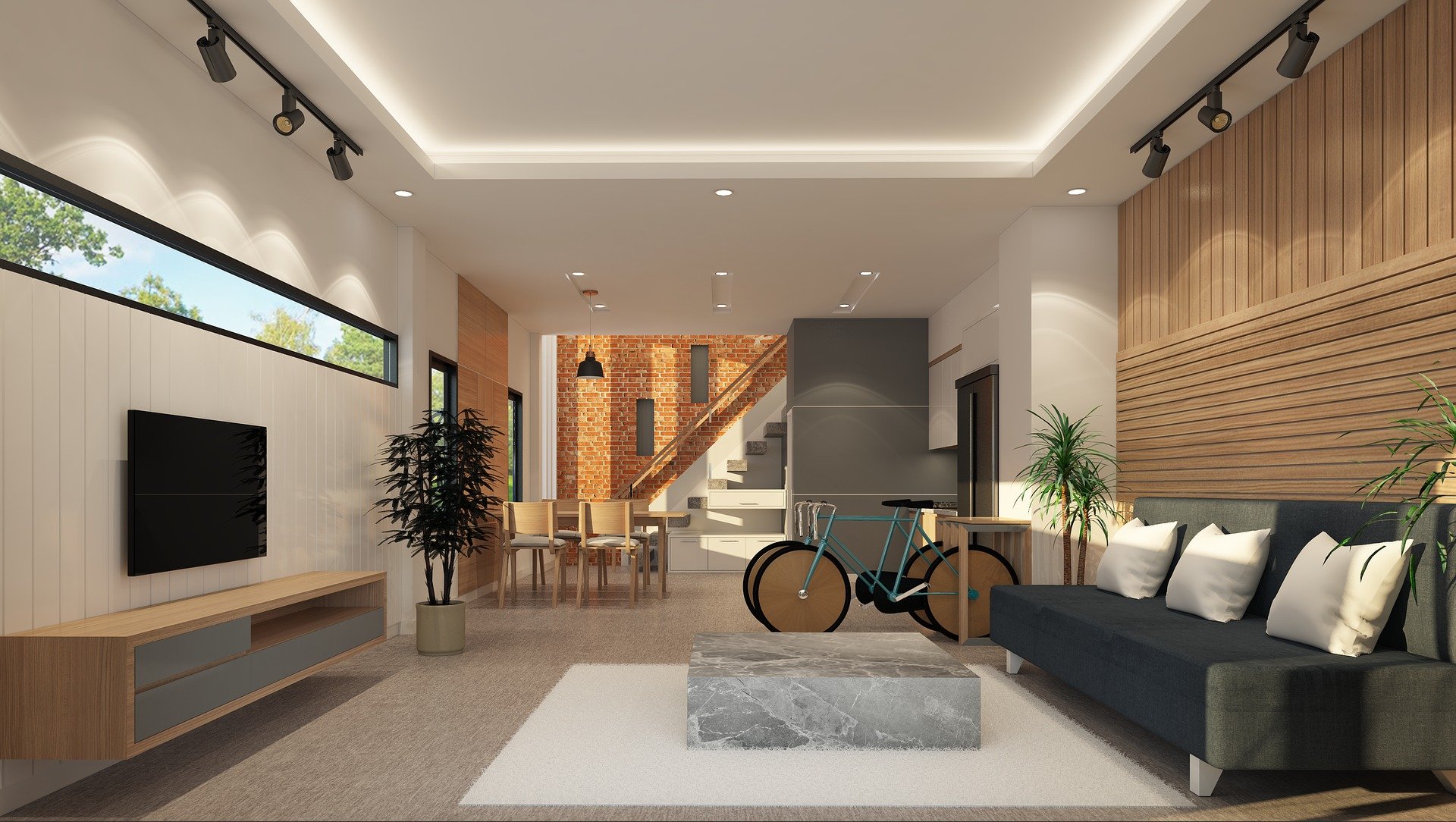
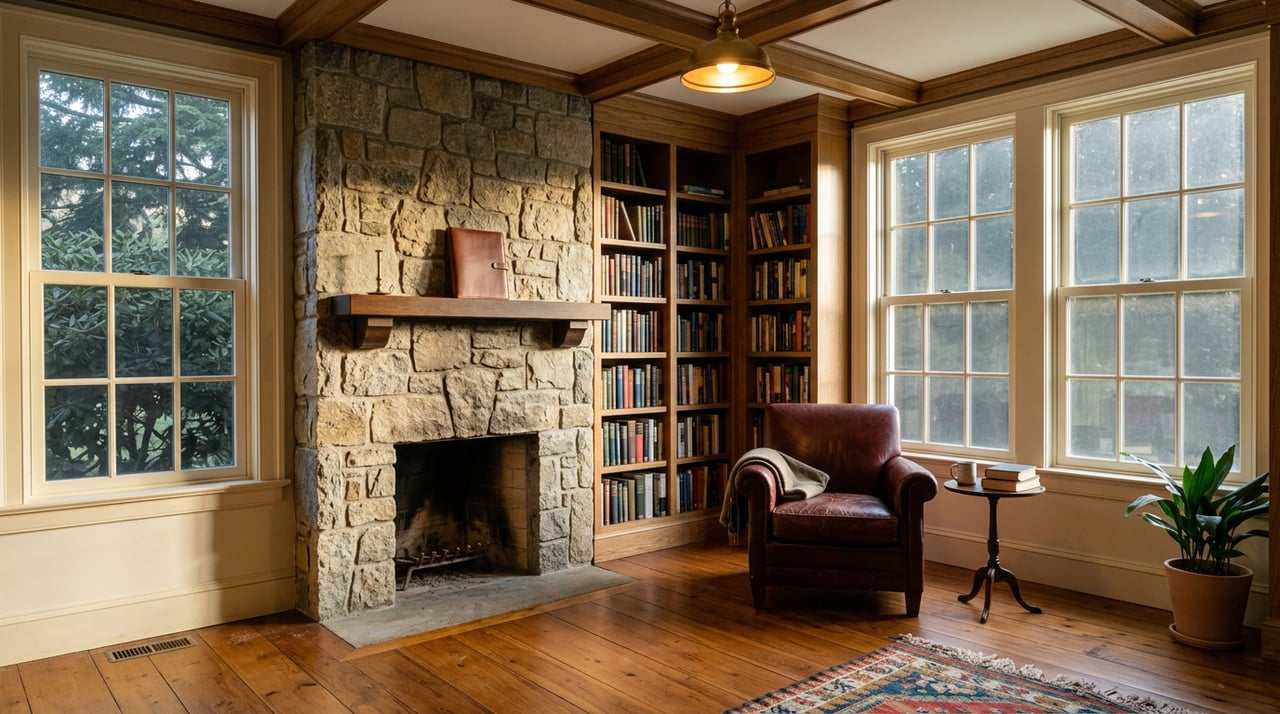
Once everything is clean, you’ll want to start staging the important rooms first. The kitchen, living room, and master bedroom are what sell your home. Focus on these rooms and then you can work your way through the additional living spaces. There are plenty of inspiration photos for current trends online, but here are a few tips to get you started:
1. Be Creative With Color
Choose colors that are close together in the same family to add a cohesive splash without going overboard. Use color in your decor pieces including artwork, throw blankets, pillows, and accent furniture to portray a put-together look.
2. Apply Fresh Paint
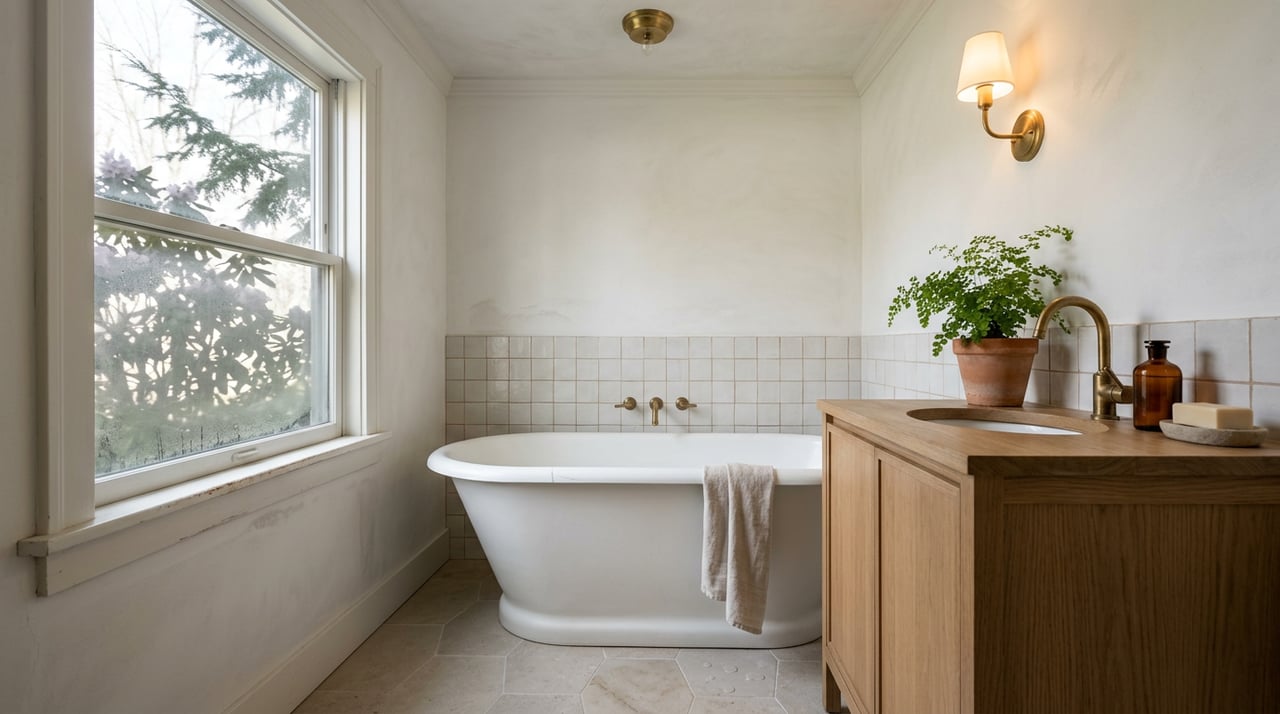
This is one of the cheapest ways to get the most bang for your buck. Choose a fresh neutral color that goes with everything rather than an intense one. Instead, use decor and furniture to bring color into your home. A bright green wall may totally be your style but could be off-putting to potential buyers. Additionally, lighter neutral colors may also help your home appear larger.
3. Rearrange Furniture
Move your furniture around to create a layout that flows. Design experts recommend to "float your furniture" which basically means pulling your pieces off the walls and into the center of the room which will create easy traffic flow and the illusion of more space.
4. Lighting is Everything
Open the blinds and use your home's natural lighting to your advantage. If you don't have an abundance of natural light or you have outdated fixtures, it may be time to update them. Replace old light switches, outlets, and hardware to give a room a new look (and more light).
5. Don't Hide Your Flaws
Last but not least, don't use staging to cover up problems. You can always downplay an off-centered window with staging, but if there are bigger problems that you're covering up, they will eventually be exposed. The inspection phase or furniture removal could reveal those hidden issues during closing.