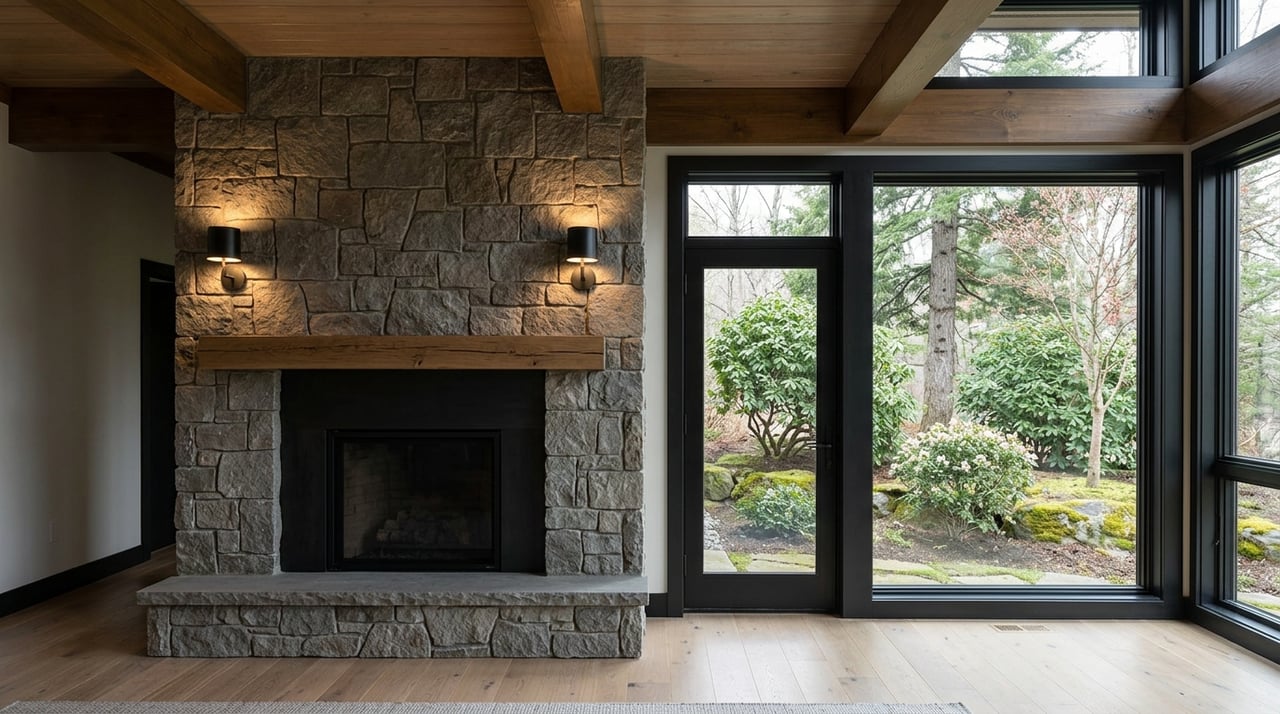
Planning a Custom Home in Highgate Highlands, NC
Thinking about building a custom home in Highgate? The setting is hard to resist, but mountain builds come with more moving parts than many buyers expect. From slope and utilities to town approvals and septic planning, the choices you make early can shape your timeline, budget, and final design. If you want to build with fewer surprises and more confidence, these are the key steps to understand before you begin. Let’s dive in.
In Highgate, the lot often matters as much as the house plan. Recent property examples show a wide range of conditions, including level, gently sloping, rolling, wooded, partially cleared, and steep-slope parcels, with lot sizes roughly between 0.95 and 2.12 acres. That means two lots in the same community can support very different home designs and construction budgets.
Highgate is often described as a gated mountain community in Highlands with long-range mountain views and a mountain-lodge architectural feel. It is also known for convenient access to town, with recent sources describing it as a short drive to downtown Highlands and nearby clubs and amenities. If you are comparing homesites, the right question is not just how the lot looks today, but how it will function once you add a driveway, grading, utilities, and outdoor living areas.
For example, some recent Highgate lots have been marketed with community water and sewer, while others have referenced private water, private sewer, or mixed utility access. That is why utility confirmation should happen early, before you move too far into design. A beautiful view lot can still become more complex if the infrastructure is not what you expected.
Before you settle on square footage, rooflines, or porch layouts, study the lot itself. In a mountain community like Highgate, site conditions can affect both what you can build and what it will cost to build.
Slope is one of the biggest design and budget drivers. Steeper parcels may require more grading, retaining walls, drainage planning, and specialized driveway design. Even a gently rolling lot can affect foundation type, parking layout, and the ease of getting materials and equipment to the build site.
Macon County also notes that development restrictions may apply in watershed or special flood hazard areas, and the county planning checklist specifically points buyers to confirm these issues before development. In short, slope is not just a visual feature. It can influence permitting, stormwater planning, and total site-work cost.
Mountain views are a major reason buyers choose Highgate, but view planning should be practical, not just emotional. Tree cover, natural topography, and neighboring lots can all affect what you actually see from the future main living spaces, porch, or primary suite.
The Town of Highlands planning framework emphasizes protection of views, open space, and tree cover. That makes it smart to think through how your home can take advantage of the site without overworking it. In many cases, the best plan is the one that fits the existing terrain and preserves the natural setting.
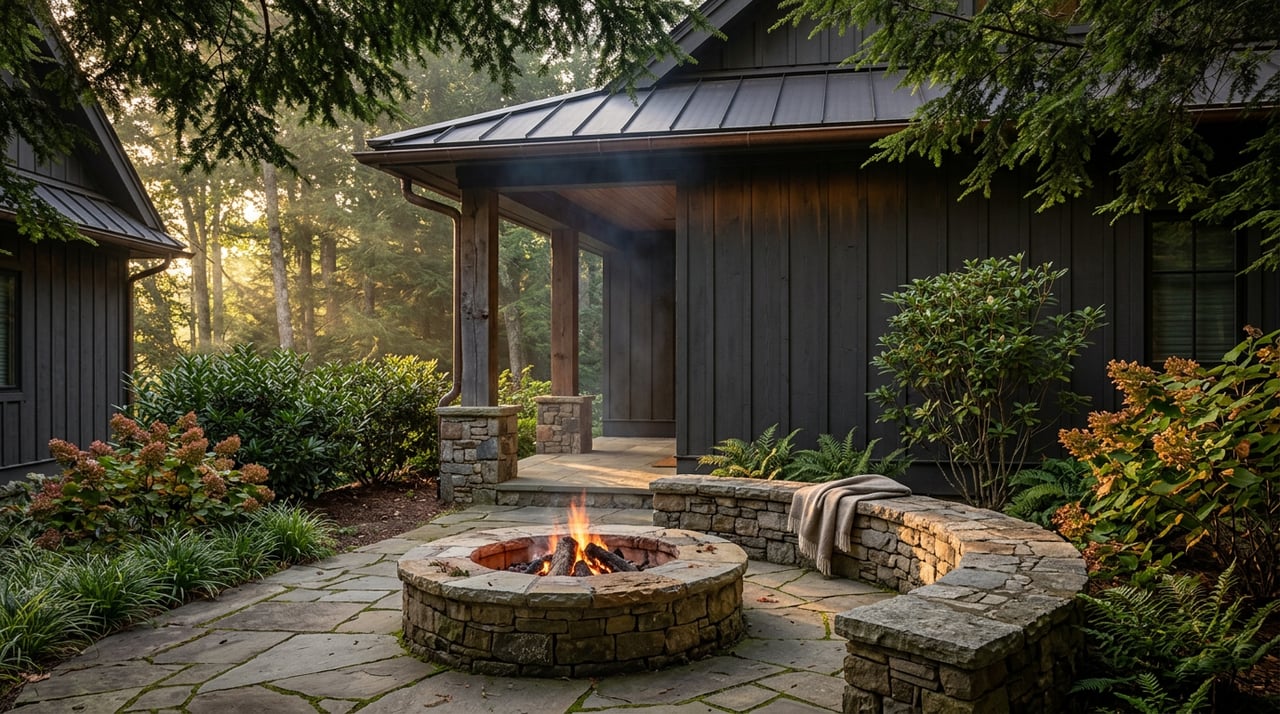
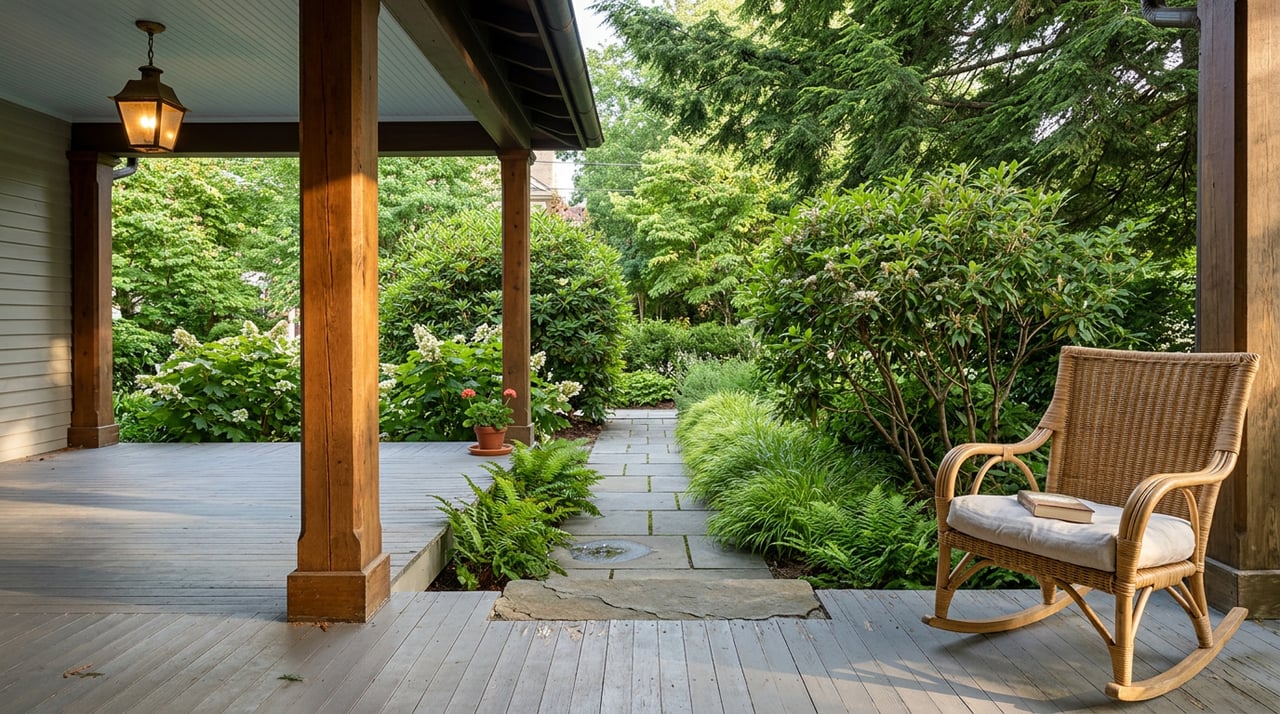
Highgate listings regularly highlight features like covered porches, decks, screened porches, fire pits, gardens, and view-oriented outdoor spaces. In this setting, outdoor living is not an afterthought. It is part of how the home is used.
If you are planning a custom build, ask whether the lot supports the outdoor spaces you want most. That may include winter sun, privacy screening, a screened sitting area, or a deck positioned to capture a long-range view. One recent lot description even referenced native rhododendron and mountain laurel, which shows how existing landscape character can shape your design approach.
One of the most important steps in planning a custom home in Highgate is understanding that approvals happen at more than one level. In Highlands, the town review comes first, and county permitting may also be required depending on the project.
According to the Town of Highlands planning and development information, you must obtain a Zoning Certificate before construction begins. The town’s Unified Development Ordinance also regulates items such as setbacks, height, fences, lighting, landscaping, and related site design issues.
That means your custom home is not just about interior selections or a floor plan you love. Exterior appearance, site placement, and landscape treatment all matter during review. Highlands also notes that its Appearance Commission considers building design, the relationship of the structure to the site and adjoining area, landscape and site treatment, lighting, and maintenance.
After town zoning review, county permitting may be required as well. The Macon County planning process for residential construction asks for the parcel ID, property location, a site plan, address, type of heat, a full set of building plans, contractor name and North Carolina license number, subcontractor license information, and sewage and water approvals.
This is why early planning matters so much. A rough concept is not enough once you move into permitting. Your plans need to be complete, coordinated, and detailed enough to satisfy both town and county requirements.
Not every Highgate lot appears to have the same utility setup, so septic and water planning should happen early in your process. If a parcel uses private systems, you will need to understand where the home, driveway, well, and septic areas can fit together on the site.
According to Macon County Environmental Health, a septic evaluation requires a site plan or survey plat showing driveway access, building location, and the proposed well and septic area. The county also notes that a soil scientist or systems designer may be needed, or may help speed the process, and that the site must be marked and accessible before the evaluation can be completed.
For buyers, this is one of the most important reasons to avoid designing first and verifying later. A lot may look generous on paper, but usable building area can narrow quickly once access, setbacks, well placement, and septic requirements are mapped out.
A custom home in Highgate usually calls for a broader planning team than a standard home purchase. Depending on the parcel, you may need support from a surveyor, architect, general contractor, septic or well professionals, and possibly a soil scientist or systems designer.
That is not overplanning. It is how you reduce risk before finalizing a design that may need to change later. Since Macon County requires a full set of building plans and licensed contractor information during the permit process, it helps to assemble your team before you lock in major design decisions.
A strong team can also help you evaluate tradeoffs between lots. One homesite may offer easier access and simpler utilities, while another may offer stronger views but more site work. Looking at those factors side by side can save time and money.
One of the biggest mistakes buyers make with mountain construction is focusing too heavily on interior finishes while underestimating the site itself. In Highgate, grading, drainage, retaining, driveways, utility connections, and outdoor living areas can have a meaningful impact on the total project budget.
Recent Highgate market examples show a broad range, from a lot sale at $285,000 to completed home sales of $1.775 million, $3.1 million, and $4.85 million. Recent listing information has also referenced annual HOA dues around $2,700. That spread reinforces an important point: lot condition, access, utility setup, views, and finish level all affect what the final project may require.
Outdoor living should also be included in your core budget from day one. In a community where decks, screened porches, outdoor fireplaces or fire pits, and view-focused gathering spaces are common, these elements often feel essential to the home rather than optional add-ons.
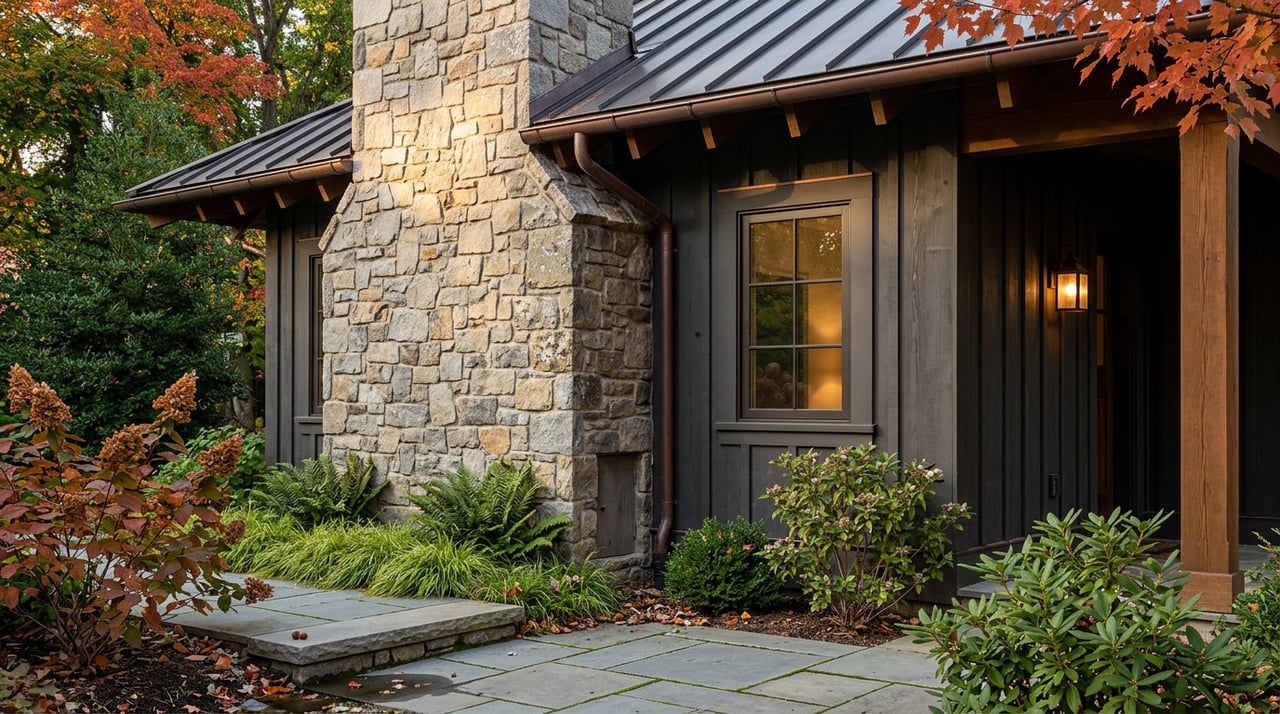
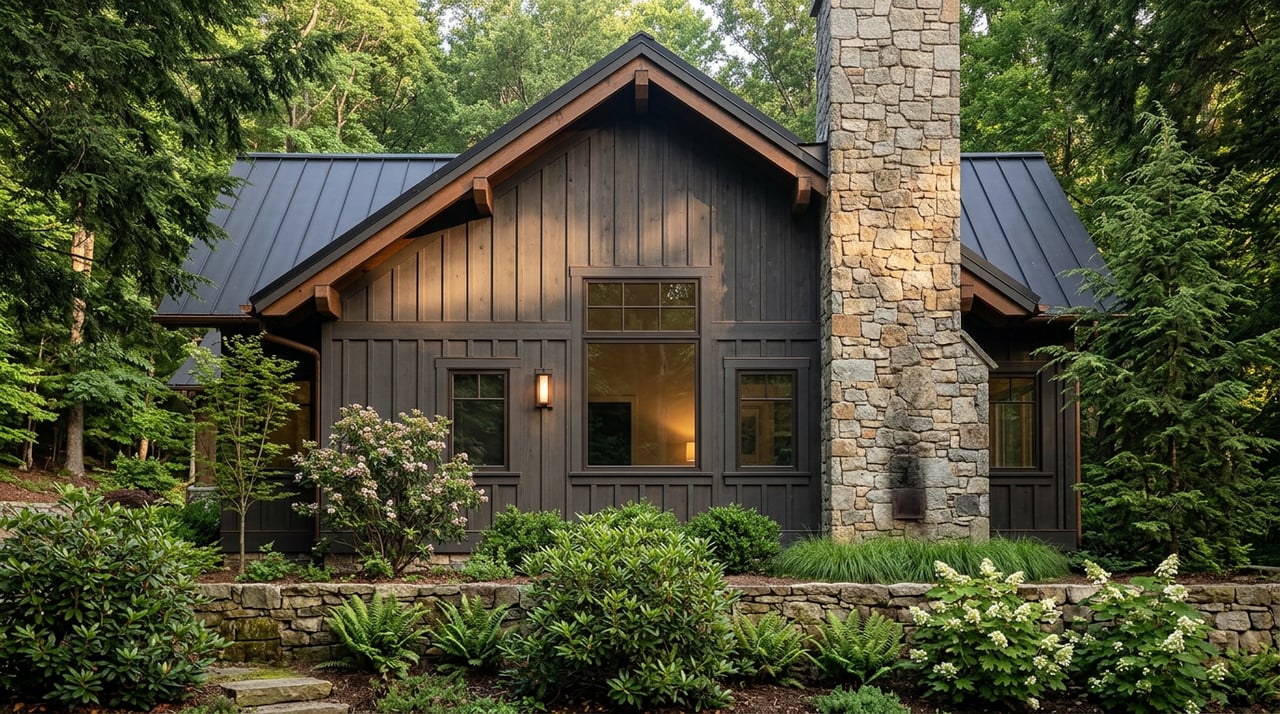
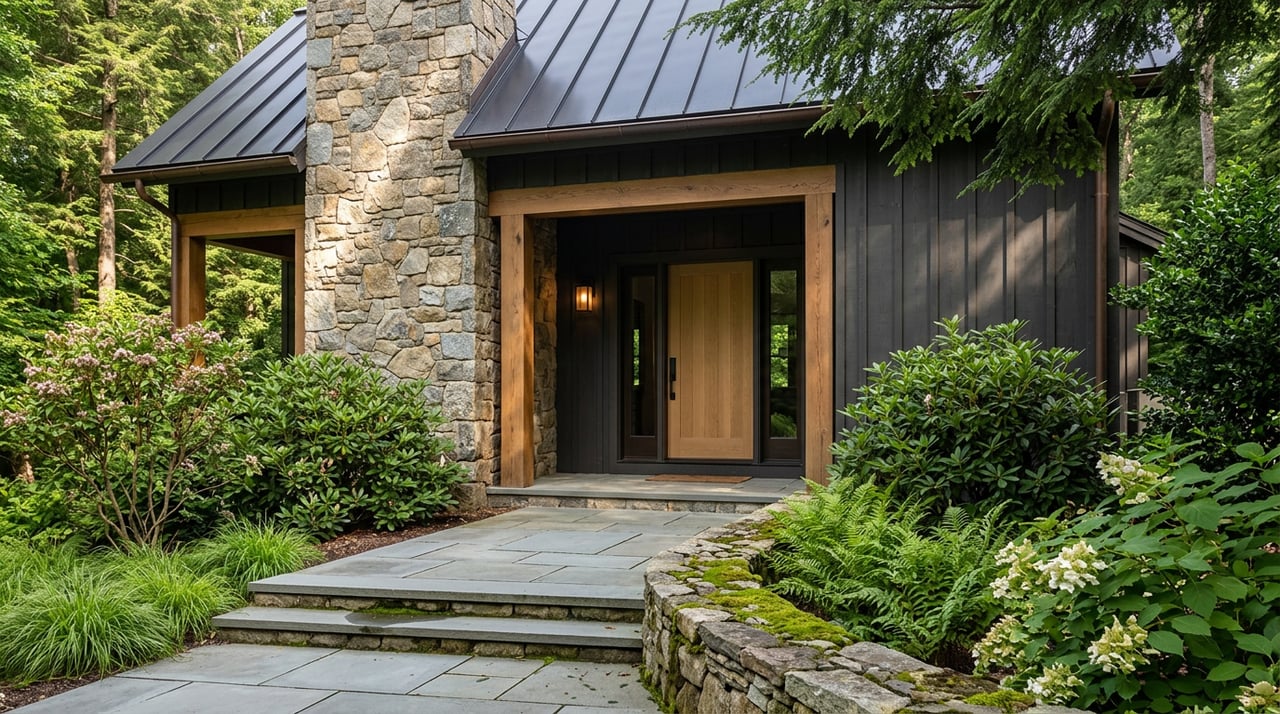
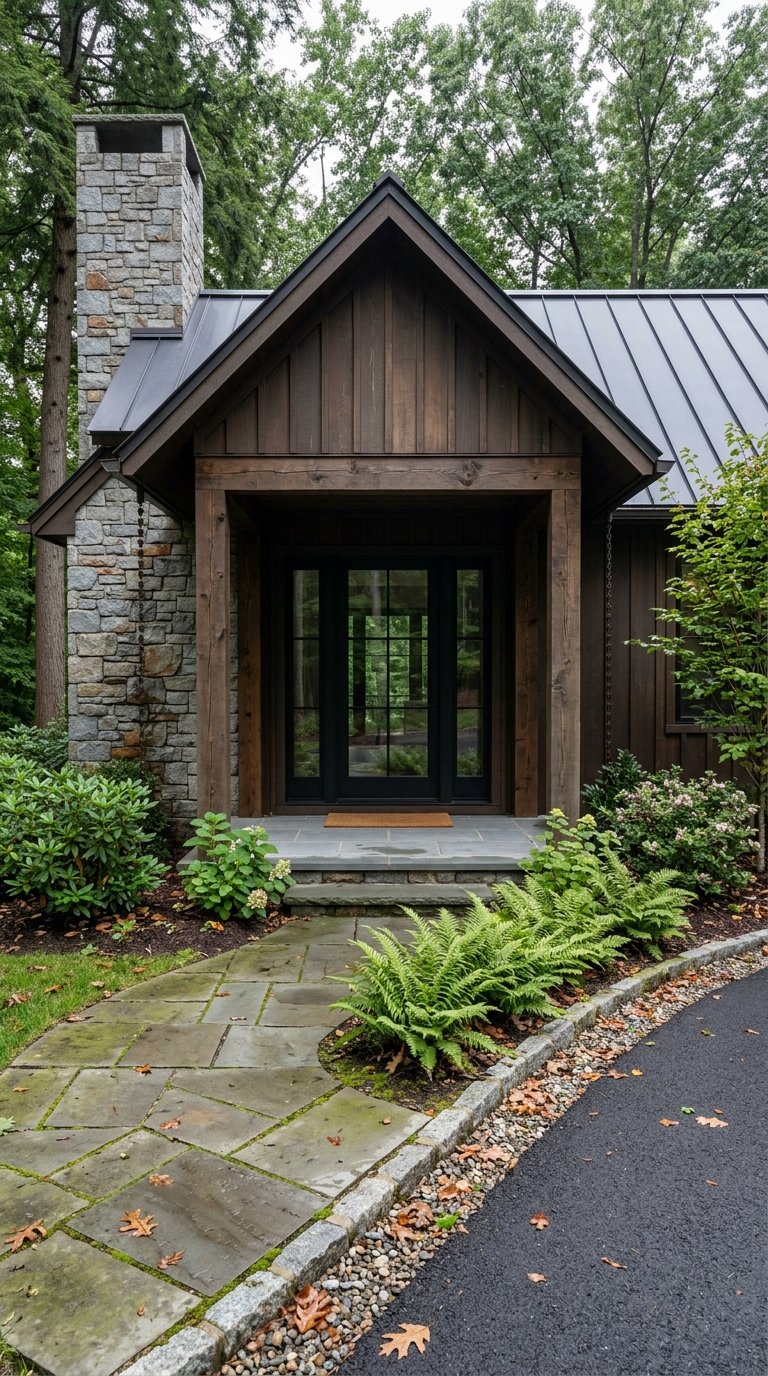
Highgate is often associated with a mountain-lodge or Adirondack-inspired architectural style, and the broader Highlands planning framework emphasizes compatibility with the mountain environment. That does not mean every home must look the same. It does mean the best custom homes usually feel connected to the land around them.
In practical terms, that may shape everything from the driveway approach to how porches face the view. It can also influence materials, massing, roofline, landscape treatment, and how the home sits within the trees. In a mountain setting, a well-planned home usually feels intentional long before you notice the finishes.
The goal is not simply to build a house on a lot. It is to create a home that fits the site, respects the regulatory process, and supports how you want to live in Highlands.
If you are preparing to build in Highgate, these are the smartest first steps:
Building in Highgate can be deeply rewarding when the planning matches the setting. If you want guidance on evaluating lots, understanding neighborhood context, and navigating the Highlands market with local perspective, the Michaud Rauers Group is here to help.
Stay up to date on the latest real estate trends.
Whether you're a first-time buyer or a seasoned developer, our property services are designed to exceed expectations. We consistently sell homes quickly and above asking price.