Inside Bowery Road Highlands Real Estate & Estate Corridor
Looking for true privacy without giving up quick access to Main Street? On Highlands’ east side, the Bowery Road corridor delivers that rare blend many buyers chase: multi‑acre settings, mature native landscape, and a short, paved drive to town. If Sagee Mountain or Bowery Road keeps appearing in your search, you are already on the right track.
In this guide, you will learn how the corridor is laid out, what “estate‑scale” typically means here, the architecture you will see, and the development rules that protect the area’s feel. You will also get a practical checklist to evaluate a parcel with confidence. Let’s dive in.
Bowery Road sits about a mile east to northeast of Highlands’ Main Street. That close‑in location is the corridor’s core appeal: you can enjoy multi‑acre privacy and still reach restaurants, galleries, and cultural attractions within minutes. The road anchors a recognized historic area of large summer cottages and estate grounds that together cover roughly 220 acres in the Playmore–Bowery Road Historic District. You can explore the district’s boundaries and context in the National Register nomination for the Playmore–Bowery Road Historic District.
Highlands rests on a mountain plateau near 4,000 feet, and Bowery Road and the Sagee ridges rise on that same high ground. That elevation supports long‑range views, dense rhododendron and hemlock cover, and a tradition of multi‑acre lots near town documented in the historic district record.
Tucked off Bowery Road, Sagee Mountain, also marketed as Sagee Woods or Sagee Ridge in listings, is a private enclave known for estate parcels and pockets of homesites. Some tracts adjoin permanently protected green spaces, which enhances privacy and helps preserve view sheds. For a neighborhood‑level overview, see the Sagee Mountain guide. If conserved land matters to you, review the local list of green spaces that includes the Dixon Park and Sagee Mountain tracts in the Highlands green‑space inventory.
Nearby enclaves round out the corridor’s landscape. Hardscrabble Ridge features multi‑acre lots and custom homes behind gated or semi‑gated entries. The Ravenel and WolfRidge estates flow from the Playmore–Bowery historic core. Webbmont, closer to town, offers an architecturally distinct set of Rustic and log cottages associated with builder Joe Webb and has a more cottage‑scale fabric than Bowery’s wide estates. You can read more about Webb’s regional work in the Joe Webb profile.
When buyers say “estate‑scale” in this corridor, they usually mean enough acreage for a true setback, layered privacy, and multiple structures within a cohesive landscape. In practice, you will often see:
Inventory and pricing change seasonally, but this range captures how the corridor supports both in‑town convenience and true privacy.
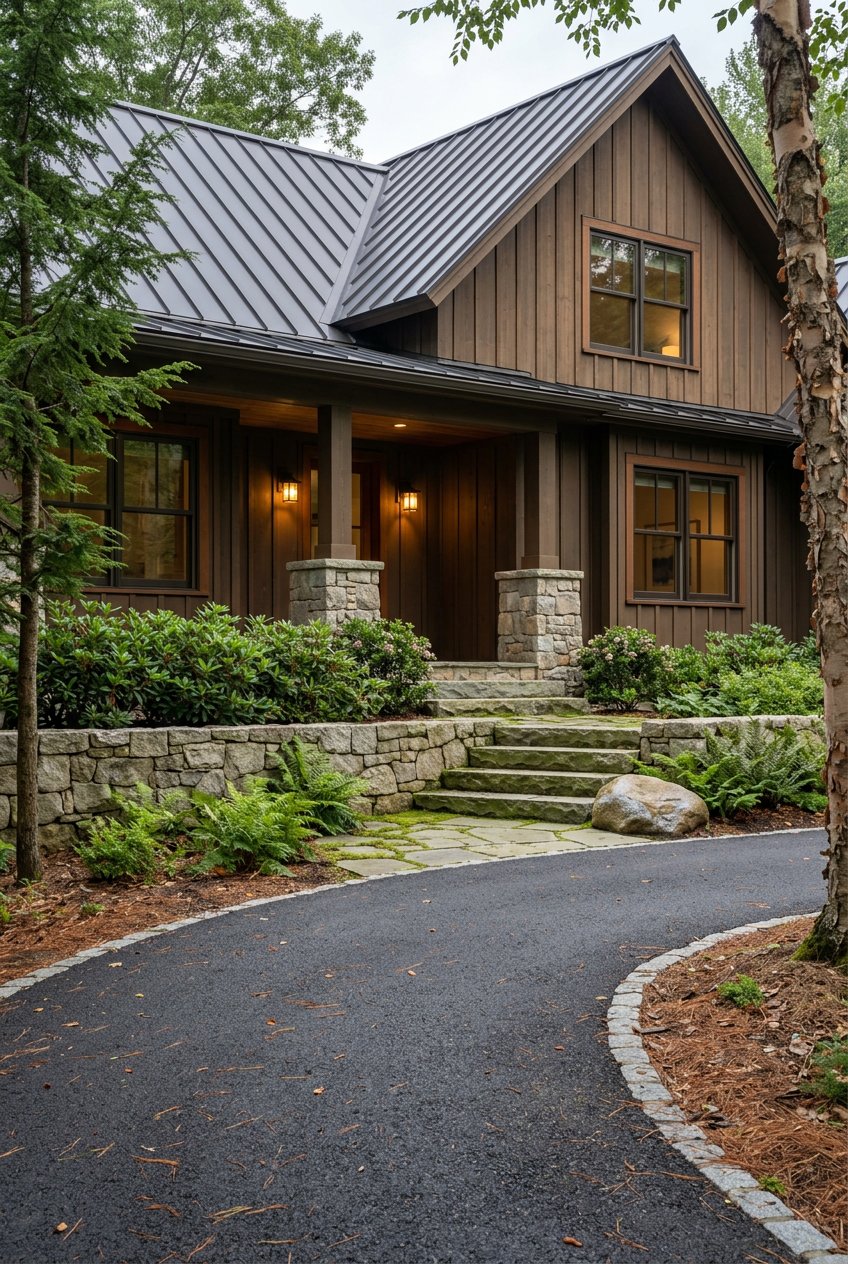
The corridor’s historic core dates roughly from 1879 to 1940 and includes wood‑frame summer cottages and substantial estate houses in styles like Italianate, Colonial Revival, and regionally notable Rustic. Stone appears throughout in foundations, chimneys, and site walls, giving the road a park‑like, established feel. You can see examples and detailed descriptions in the Playmore–Bowery Road Historic District documentation.
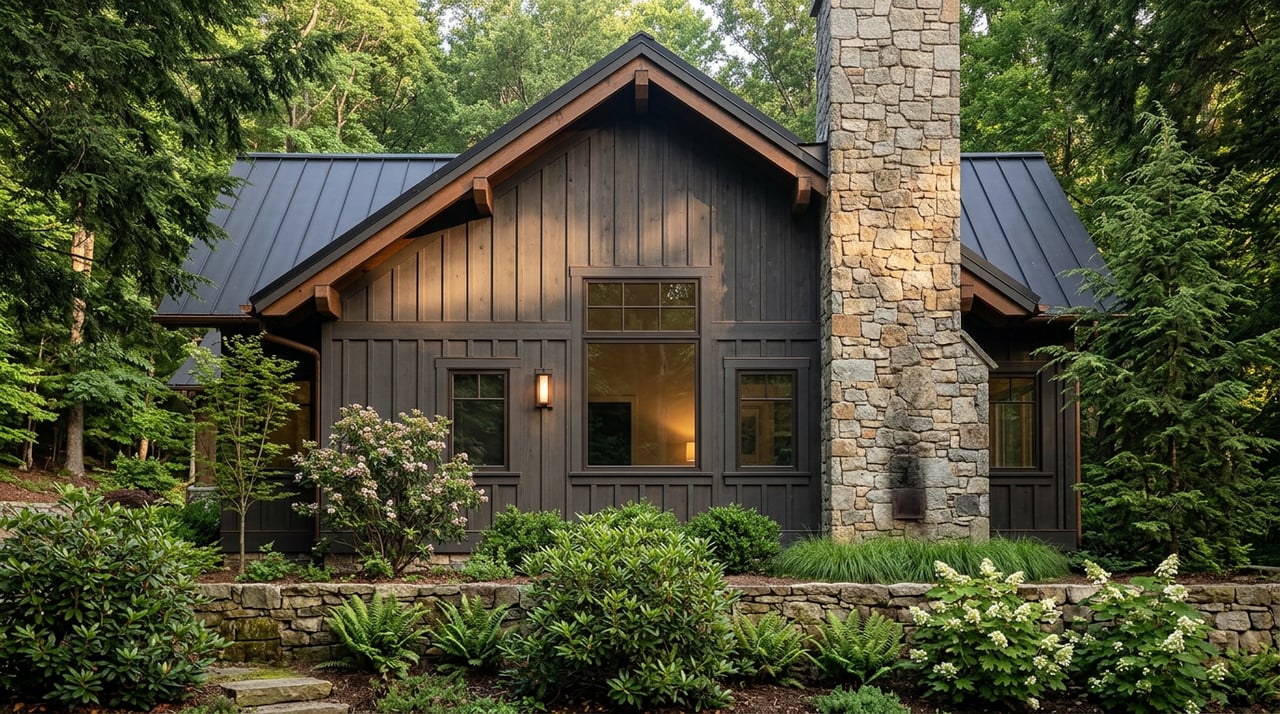
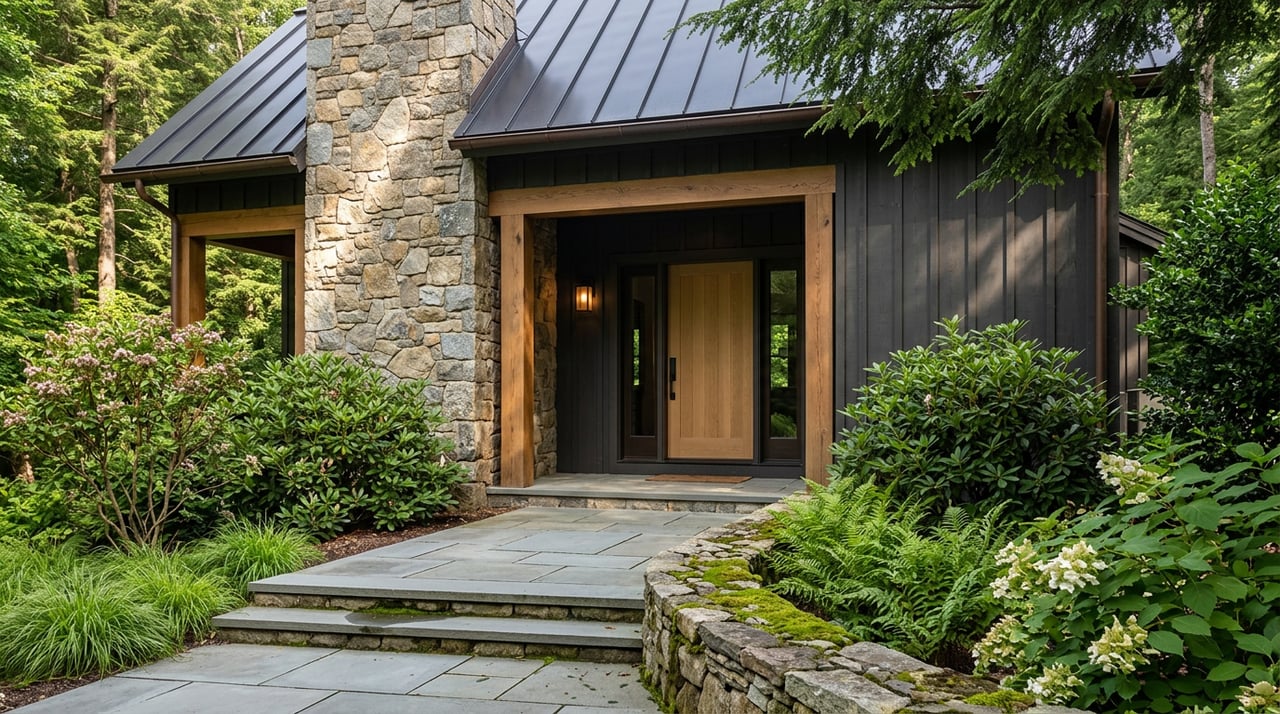
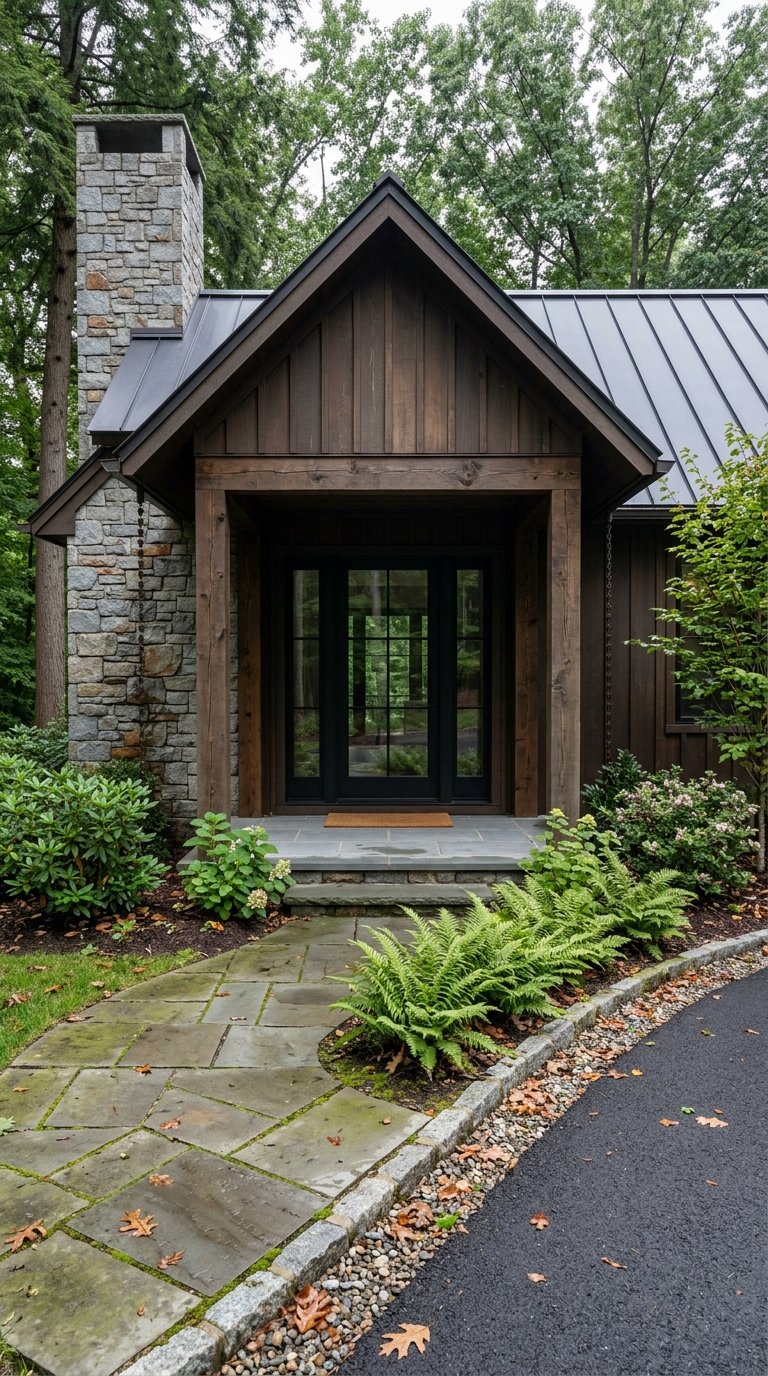
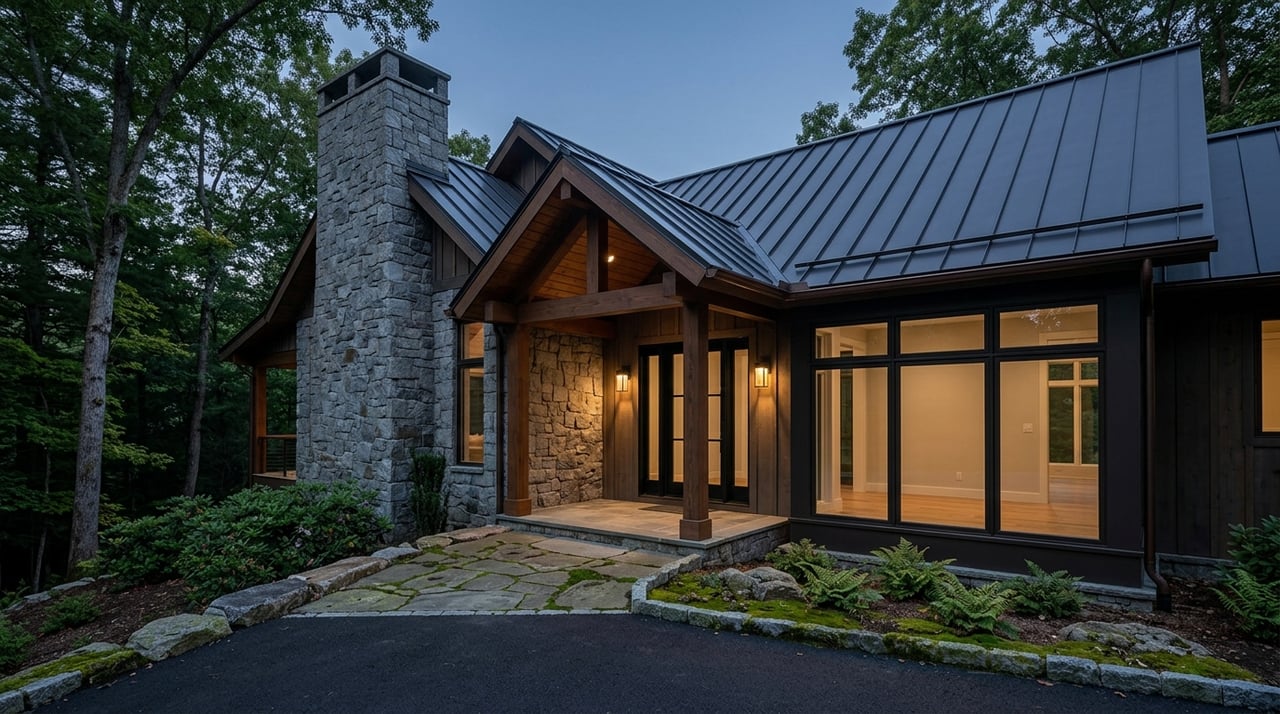
You will also find contemporary estate work that nods to local materials. Many newer builds and restorations use heavy timber and stone, pair expansive decks with modern interiors, and add estate features like gated entries, guest pavilions, and whole‑house systems. The result is a neighborhood that balances historic character with well‑executed, modern luxury.
For those drawn to historic rustic architecture, Joe Webb’s log and “twig” cottages are a regional touchstone and inform much of Highlands’ early mountain vernacular. The Joe Webb profile offers helpful background as you assess craftsmanship and lineage in nearby neighborhoods like Webbmont.
Most parcels accessed from Bowery Road enjoy paved, maintained approaches and a short drive to downtown, often in the three to eight minute range. The National Register nomination places the district about a mile from the town center, which tracks with daily experience in the corridor.
Utility availability varies by tract. Many in‑town parcels have public water available at the street. Sewer is less universal and many homes rely on septic systems, which are permitted through county health departments. You should confirm utility availability and any fire hydrant proximity before you go under contract. A local agent can help verify this with the Town and county offices.
The Town of Highlands treats its historic character and sensitive topography as core planning priorities. The community plan sets guidance for managing growth, protecting watershed areas, and stewarding historic resources. You can review these priorities in the Highlands Community Plan Update.
In practice, many projects here require a Zoning Certificate, Watershed Protection Permit, and site plan review through the Town’s Planning and Development office. Watershed overlays can limit built‑upon area and require buffers in certain locations. Learn more on the Town’s Planning and Development page.
If a property lies within the Playmore–Bowery Road Historic District, the National Register listing documents significance but does not, by itself, impose restrictions on private owners. Any design review or exterior controls would come from local ordinances or private easements. For a clear explanation of what National Register status does and does not do, see the National Park Service’s owner guidance. Your agent should still confirm, in writing, whether any local historic overlay or conservation easement affects your plans.
Marketing for Bowery and Sagee properties consistently highlights adjacency to conserved land, quick access to Main Street, mature rhododendron buffers, and estate features like guest houses and gated entries. Those signals often track with premium pricing.
Based on recent MLS marketing snapshots, smaller in‑town estate settings can begin in the low millions, mid‑range multi‑acre parcels often fall in the mid‑six to low‑seven figures depending on improvements and views, and rare mountaintop legacy estates can reach several million to tens of millions. Availability and pricing shift seasonally, so treat these as directional. The right local representation can help you calibrate value within this corridor.
Before you make an offer or during contingencies, complete these steps to protect your plans:
Choose the Bowery Road and Sagee Mountain corridor if you value privacy, heritage, and convenience in equal measure. The plateau’s high elevation delivers views and cool summers. The historic estate fabric and watershed rules help preserve a wooded, low‑density feel. And the quick, paved access to town keeps your daily rhythm simple.
If that balance matches your goals, you will benefit from a local team that knows each ridge, road, and regulation. For tailored guidance on specific parcels, off‑market opportunities, or how to position your property for a premium result, reach out to the Michaud Rauers Group. We pair deep neighborhood knowledge with concierge marketing and a national network to help you move with confidence.
Stay up to date on the latest real estate trends.
Whether you're a first-time buyer or a seasoned developer, our property services are designed to exceed expectations. We consistently sell homes quickly and above asking price.