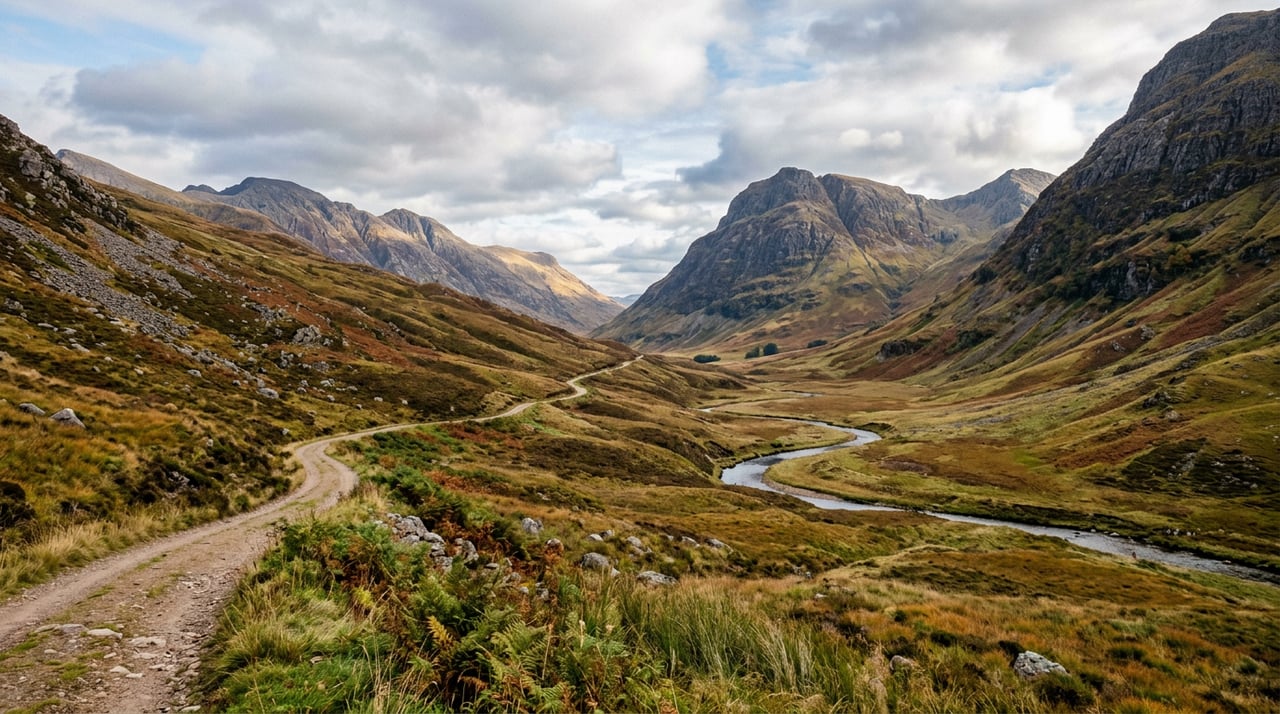
Buying In Satulah Historic District: What The "Historic" Label Actually Restricts
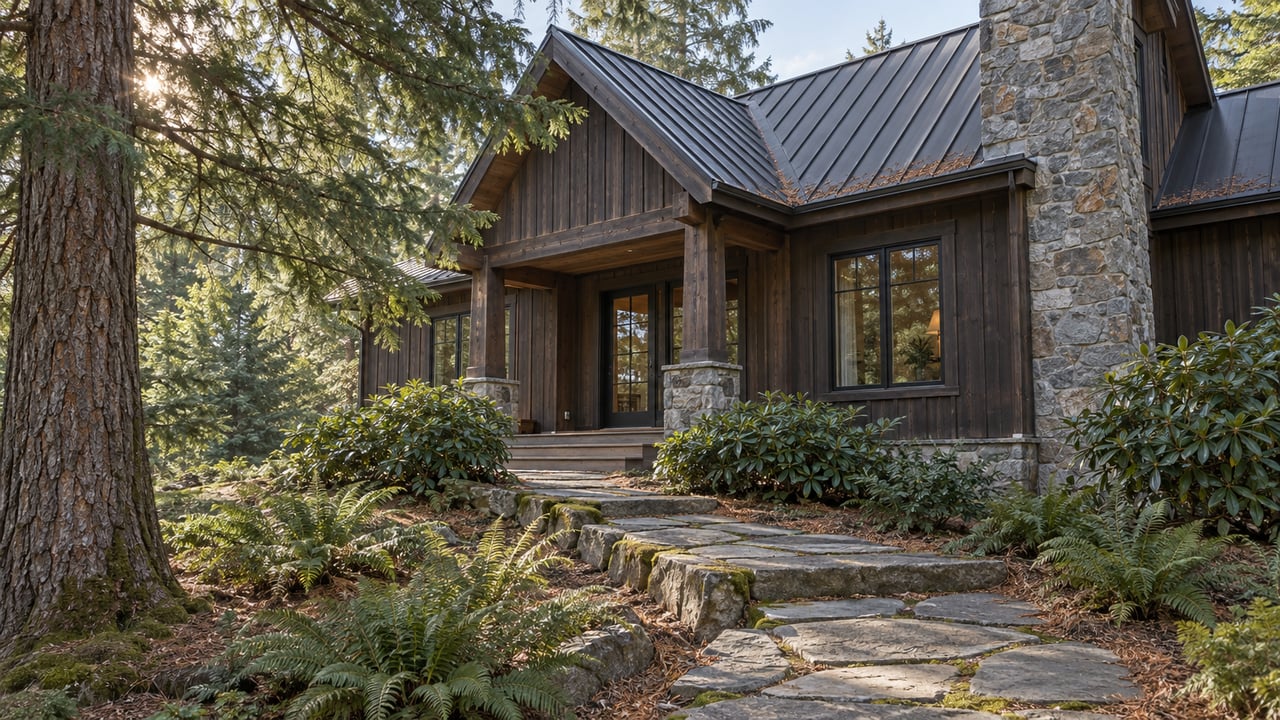
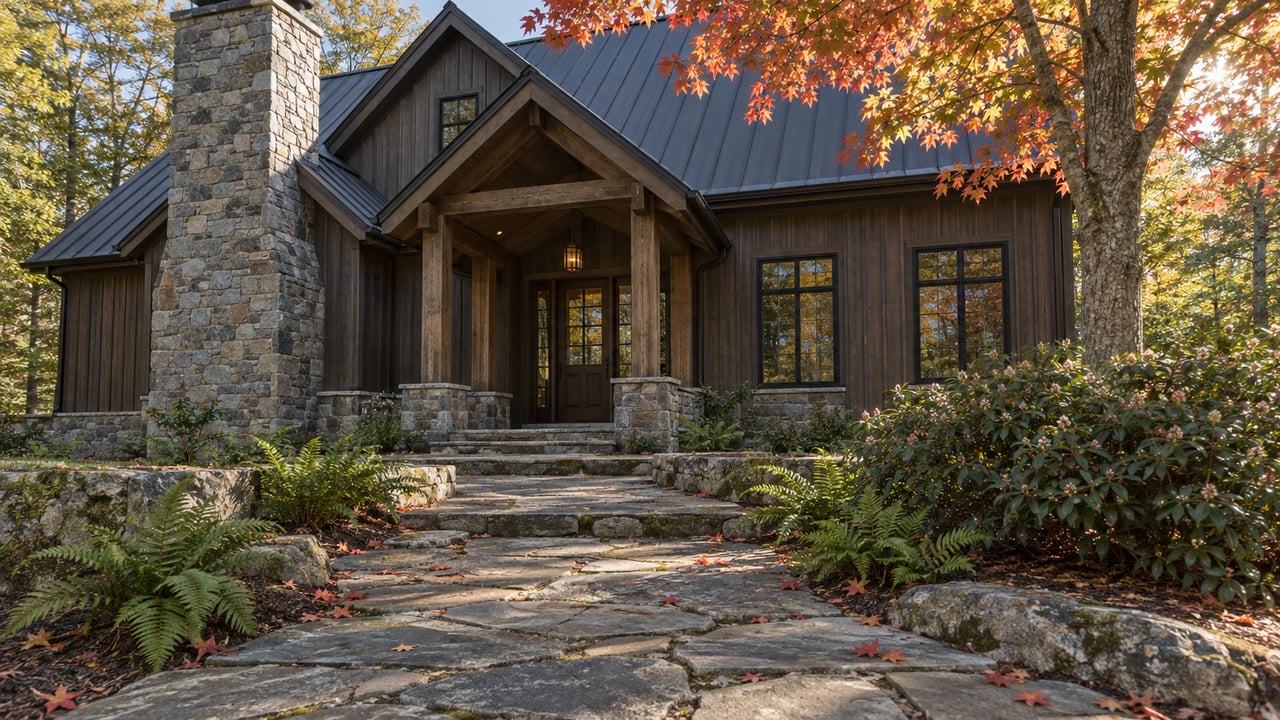
A buyer stands on the porch of a fieldstone cottage on Satulah Road, listening to an agent mention that the house sits inside a National Register historic district. The buyer's mind goes where most buyers' minds go: paint colors that need approval, window replacements that require a hearing, a commission somewhere in Town Hall that can say no to a new roofline. It is a reasonable assumption. It is also, in this specific case, wrong.
The Satulah Mountain Historic District, listed on the National Register of Historic Places in 1995, is bounded by Walhalla Road, Satulah Road, Brooks Road, Worley Road, Warren Road, and Old Walhalla Road, according to the Highlands Historical Society's inventory of contributing structures. It holds some of the town's oldest residences, including the Lamb House known as "Chestnut Lodge" from around 1892 and the Perry House known as "Highfield" from 1900, along with dozens of early twentieth century cottages built in log and fieldstone. The district earned its designation because it possesses, in the language of federal preservation criteria, integrity of design and setting that survives from its founding era. That part of the story matches what most buyers expect.
What surprises people, including some who have already closed on a house here, is what the designation does not do. It does not create a design review board. It does not require a Certificate of Appropriateness before you replace siding or add a dormer. The town's actual regulatory reach into your renovation plans comes from somewhere else entirely, and that somewhere applies whether your house sits inside the historic boundary or three streets outside it.
North Carolina law lets any city or county create a historic preservation commission with the power to issue or deny Certificates of Appropriateness, the permits that in many towns govern exterior changes to a designated landmark or district. That authority is not automatic. A local government has to pass an ordinance creating the commission, adopt design guidelines, and staff a review process, according to the North Carolina Department of Natural and Cultural Resources' own explanation of how local designation works.
Highlands never finished that step. The town's 2005 Land Use Plan lists the establishment of a historic commission as a future strategy under its historic preservation goals, not as a completed action. What Highlands has instead is an Appearance Commission, created in 1991 under Article 900 of the town's zoning ordinance, which reviews general design factors like building relationship to site and landscape treatment for applications tied to special use permits. It is a commercial and site-planning tool, not a historic district enforcement body, and it has no Certificate of Appropriateness authority over a private residence on Satulah Road.
The National Register listing itself confirms this gap rather than closing it. Federal guidance from the North Carolina Historic Preservation Office states plainly that National Register listing places no obligation or restriction on a private owner using private resources to maintain or alter a property. Federal standards only attach if you use federal funding or seek a federal tax credit for the work, and that credit only applies to income-producing property. A family buying a primary or second home in this district gets none of that exposure and none of that protection, because there is no local commission standing behind the register listing to enforce anything at all.
| What buyers often assume | What actually governs the property |
|---|---|
| A historic commission must approve exterior renovations | No such commission exists in Highlands; the Appearance Commission handles site-plan aesthetics for permitted uses, not historic district review |
| National Register status limits what you can build or demolish | Register listing carries no private-property restriction unless federal funds or tax credits are involved |
| The historic label is the main zoning constraint on the lot | According to the Town of Highlands, its Watershed Protection Overlay, in place since October 1, 1993, sets the real limits on lot coverage and setbacks |
| Any house in the district qualifies for preservation tax credits | The federal rehabilitation credit applies only to income-producing property, not owner-occupied homes |
Satulah Mountain sits inside the watershed that feeds Lake Sequoyah, and the town has protected that water supply with a sediment control ordinance since 1993, according to a case study published by the North Carolina Department of Environmental Quality. The rules apply across three watershed classifications that carry different lot size minimums and buffer widths:
These numbers do not care whether your house is a contributing structure on the National Register. They care about where your parcel sits relative to the watershed boundary and how much impervious surface, driveway, patio, and roofline, you propose to add. For a buyer looking at additions or a full remodel on a Satulah Mountain lot, the built-upon area limit is often the more binding constraint than anything tied to the property's age or architectural pedigree.
None of this means renovation in the district is paperwork-free. Before any construction or remodeling begins, the Town of Highlands requires a Zoning Certificate, and because most of the town falls inside a Watershed Overlay District, that certificate typically comes paired with a Watershed Protection Permit, according to the town's own permitting guidance. Once the town signs off, the applicant still needs a building permit from the Macon County Building Inspection Office, since county government, not the town, enforces the state building, plumbing, electrical, and fire codes. Septic siting on these sloped, wooded lots goes through the Macon County Environmental Health Department, which reviews and approves the location of the tank and drainage field before construction can proceed.
That sequence, town zoning certificate, county building permit, county health approval, is the same sequence that applies to a new build in most of Highlands. Buying inside the Satulah Mountain Historic District does not add a fourth agency or a longer timeline. It just means the age and pedigree of the house matter for its story and, often, its resale appeal, without adding a regulatory step that a buyer three streets away would not also face.
For a buyer weighing a Satulah Mountain property against a comparable house outside the boundary, the practical diligence list looks different than the one most people bring in. Skip the search for a historic design review packet, because Highlands does not maintain one. Spend that energy instead confirming which watershed classification the specific parcel falls under, since that single fact determines the buildable envelope more than any preservation designation could. Ask whether the lot's buffer setback has already been surveyed, particularly on parcels near the district's stream corridors, and confirm septic capacity early if an addition is part of the plan.
The historic designation still carries value. It documents a level of architectural integrity that buyers of second homes in the Highlands-Cashiers plateau often look for, and it places a property alongside houses like the Rankin House and the Moore-Pugh House known as "Pooh's Corner," both cataloged as contributing structures from the district's earliest development era. What it does not do is create the bureaucratic friction that similar labels create elsewhere in North Carolina. Knowing that difference before an offer goes in, rather than after an inspection contingency raises the question, is the kind of local detail that changes how a buyer negotiates repair credits or timeline.
Does the historic designation affect my ability to get homeowners insurance? Insurance underwriting looks at construction materials, age, and condition, not National Register status directly. A stone chimney or heart pine flooring from the 1920s may factor into an inspection report the way it would for any older home, regardless of district designation.
Can I tear down a contributing structure and rebuild? Because no local historic preservation commission exists in Highlands, there is no Certificate of Appropriateness process that could deny a demolition permit on preservation grounds. Ordinary town and county demolition and building permit requirements still apply.
Does National Register listing help or hurt resale value? Buyers researching the plateau often view the designation as a mark of authenticity and craftsmanship, which can support a premium for well-maintained properties. There is no local restriction, however, that would make the designation a liability during a sale.
If the town ever creates a historic preservation commission, would existing homes be affected retroactively? Any future ordinance would need to go through public hearing and adoption by the town's governing board, the same process outlined in the 2005 Land Use Plan's unmet goal. Until that happens, current owners operate under the same watershed and zoning rules as the rest of Highlands.
Buying a home with this kind of layered history rewards a buyer's agent who already knows which questions matter and which ones do not. The Michaud Rauers Group has spent years walking these specific streets, from Walhalla Road to Warren Road, and can tell you exactly which watershed classification a Satulah Mountain listing falls under before you write an offer. Schedule a complimentary consultation with the team to talk through what a specific property on the plateau will actually let you build.
This article is general information, not legal, tax or financial advice. Consult a qualified professional about your situation.
Stay up to date on the latest real estate trends.
Whether you're a first-time buyer or a seasoned developer, our property services are designed to exceed expectations. We consistently sell homes quickly and above asking price.