Bowery Road's Oldest Neighbor: The Coker Hemlocks, Treated and Open This Fall
The rings are packed tight in the core taken from one eastern hemlock near the Highlands Biological Station. Some measure 0.16 millimeters across, and the widest only 1.14 millimeters. Station researcher Liam Stiefel counted 467 of them, running from 1559 to 2025, and turned each ring into a single musical note. The recording runs four minutes and sixteen seconds.
That tree grows in the Coker stand. A short trail through that stand ends at Bowery Road.
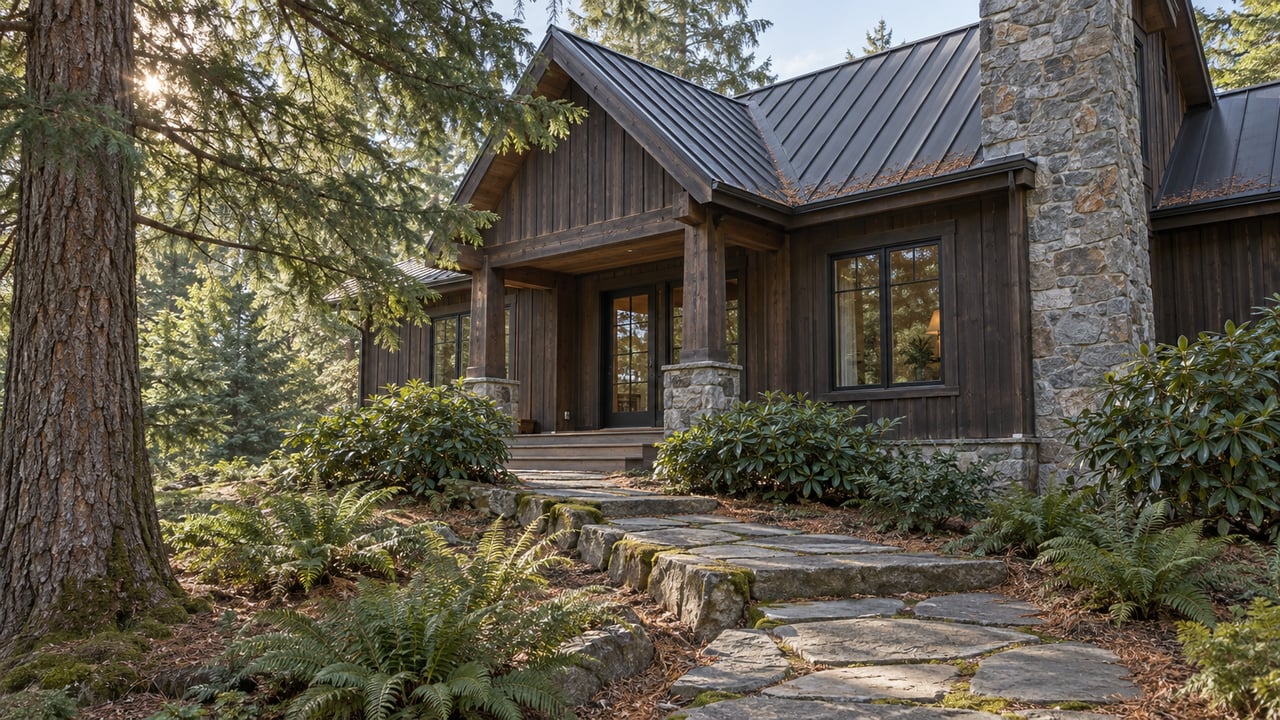
The Highlands Plateau Greenway lists the Coker Rhododendron Trail as a 0.2-mile moderate walk. It belongs to the Highlands Biological Station, starts on Lower Lake Road and leads through a grove of old-growth hemlocks, hardwoods and rhododendron to Bowery Road. For the estate corridor along Bowery Road, the oldest documented forest in town is right next door. This October it's also the part of the Station campus that's fully open, freshly treated and on the calendar for the days ahead.
The age is a minimum. The Station explains in its piece A hemlock keeps time that a core is taken at chest height, so the count starts where the borer went in, not where the seed sprouted. Eastern hemlock seedlings can wait in deep shade for decades before they grow past a meter, so the tree is almost certainly older than 467 years.
The Station has also chosen to keep the tree's exact spot private:
"We are not publishing where it stands. A tree that has gone unnoticed for four and a half centuries has done well out of being left alone, and the soil over its roots compacts easily."
That decision gives the trail its etiquette. The grove is worth visiting because its trees have been left alone, so stay on the path and leave the oldest tree unnamed.
The 1559 date also settled an older question. According to the Hemlock Restoration Initiative's Summer 2026 newsletter, a 2021 Station research project compared cores from Carolina hemlocks atop Whiteside Mountain with eastern hemlock cores from a suspected old-growth stand near the Station. The goal was to show that both had escaped the region's mass logging. The oldest Whiteside core dated only to 1948, after that land had been logged. The Coker Trail hemlocks dated back to 1559, which confirmed the stand near the Station as true old growth.
An old stand survives only if someone keeps protecting it. In the same newsletter, HRI reports that its crew joined Station staff to treat the old-growth eastern hemlocks along the Coker Trail. The stand covers both Station land and the private properties next to it. In all, the crew, volunteers and Station staff treated more than 350 hemlocks on and around the Station, over 100 of them in old-growth forest. HRI thanked Executive Director Dr. James Costa and Associate Director Jason Love for their help.
A neighbor helped pay for it. HRI writes that a Station neighbor donated half the project's cost back to its program.
So the grove's line runs through private property and its protection was partly privately funded. The old growth at the end of Bowery Road is shared ground. Its health depends on the Station, a statewide nonprofit and the people who own the land around it.
Visitors who head over this fall will find construction equipment on the campus. In its autumn update, Pardon our mess, the Station says four projects are under way, all fully funded by Western Carolina University. The Highlands Nature Center at 930 Horse Cove Road has been closed since August 16 and stays closed through the end of 2026.
The update is just as clear about what's open: "The Highlands Botanical Gardens, the trails and the rest of the grounds stay open the whole time." The Station says it will reopen the building in the new year but hasn't set a date.
According to the Station's renovation pages, the work behind the fencing includes:
The update also notes a generator installation under way behind Cook Pavilion. With the exhibit halls closed until January, a fall visit here means the outdoor trails, and the Coker grove is the oldest stretch of them.
The Greenway's trail page asks hikers to go back out through the Lower Lake Road entrance, so start there. The Greenway's Botanical Garden route, part of the North Carolina Birding Trail, makes a full loop of it. The garden shows more than 500 species of native southern Appalachian plants.
The route normally starts at the Nature Center building, which is closed this fall, so begin at the garden itself. HBS's Nature Center page lists the trails and Botanical Gardens as open from sunrise to sunset during the renovation.
The Highlands Biological Foundation's fall programs fill the eight days from Friday, October 23, through Friday, October 30. All four are free, and two of them meet on Lower Lake Road, the street where the Coker trail begins.
| Program | Date and time | Meeting point | Registration |
|---|---|---|---|
| Leaves of Change, a naturalist walk on the Kelsey Trail about why leaves turn | Friday, Oct. 23, 9 to 10 a.m. | 111 Lower Lake Rd | Not required |
| Pressing Matters, a plant-pressing workshop | Saturday, Oct. 24, 10 a.m. to noon | Cook Pavilion, 888 Horse Cove Rd | Required |
| The Enchanted Forest, trick-or-treating on the garden's forest trails | Tuesday, Oct. 27, 5 to 6:30 p.m. | Valentine Meadow and Cook Pavilion, 888 Horse Cove Rd | Not required |
| Creepy Critter Crawl, a Botanical Garden walk | Friday, Oct. 30, 9 to 10 a.m. | 111 Lower Lake Rd | Not required |
Alex Waite and Maddie Wikstrom lead Friday's Leaves of Change walk. Wikstrom also leads the Enchanted Forest, which welcomes all ages and encourages costumes. The Foundation's calendar doesn't list any November programs yet, so the Creepy Critter Crawl on October 30 is the last scheduled garden walk of the month.
The town calendar takes over from there. The Highlands Chamber of Commerce lists Halloween on Main for Saturday, October 31, from 6 to 8 p.m., with free trick-or-treating, hot dogs, hot chocolate and live music. The Chamber's holiday schedule has the ice rink returning to Kelsey-Hutchinson Founders Park from Thursday, November 19, through February 28. The Nature Center's new glass and Centennial exhibit come after that, in the new year. Until then, the 0.2 miles between Lower Lake Road and Bowery Road hold the oldest trees in town.
When we market a home on Bowery Road, we include what's around it, down to the hemlock grove at the end of the road that dates to 1559. At Michelle Michaud, we put that kind of detail into the story we tell about every home on the corridor. If you're thinking about how your Bowery Road home should be presented to its next owner, we'd be glad to talk. Schedule a Complimentary Luxury Listing Consultation.
Stay up to date on the latest real estate trends.
Whether you're a first-time buyer or a seasoned developer, our property services are designed to exceed expectations. We consistently sell homes quickly and above asking price.